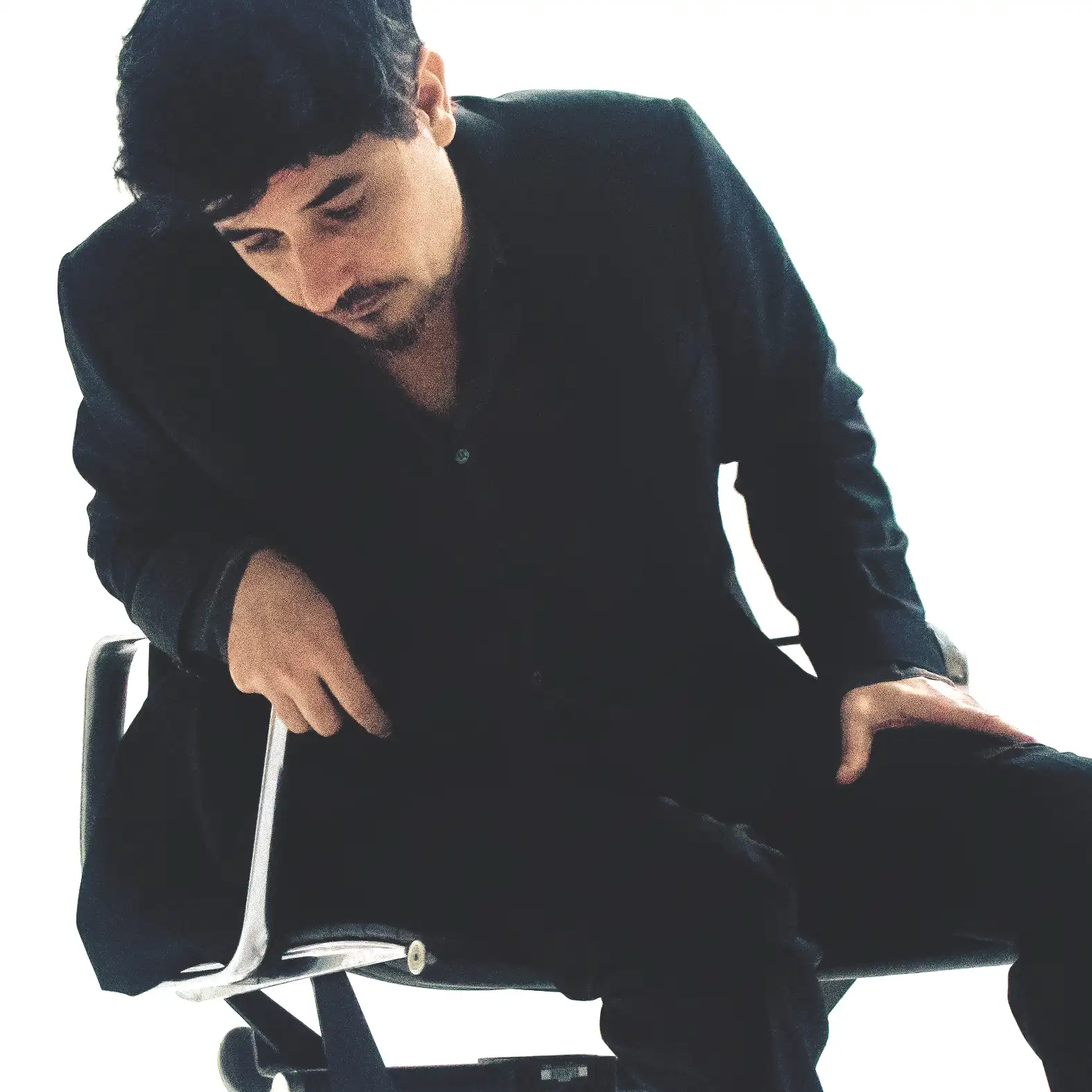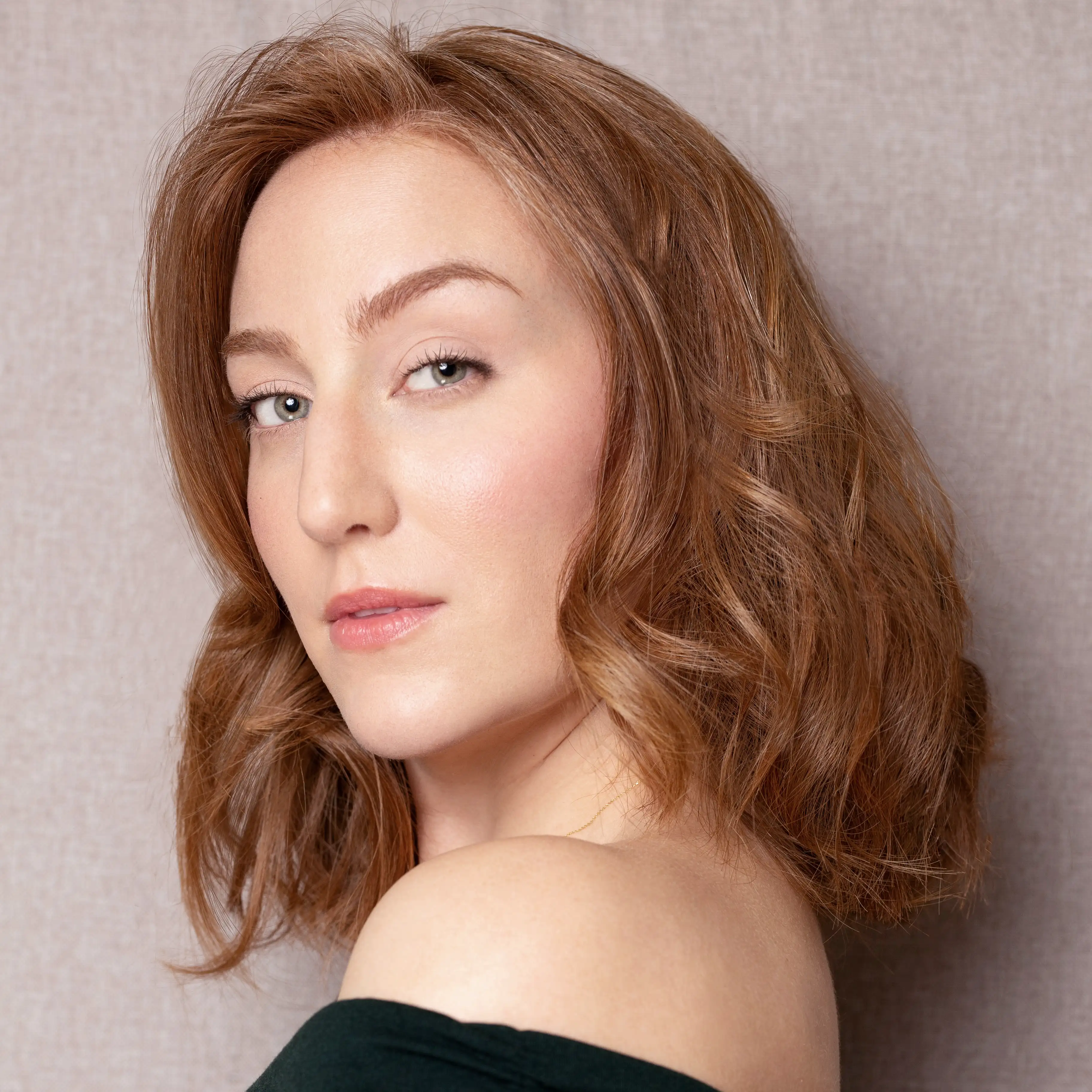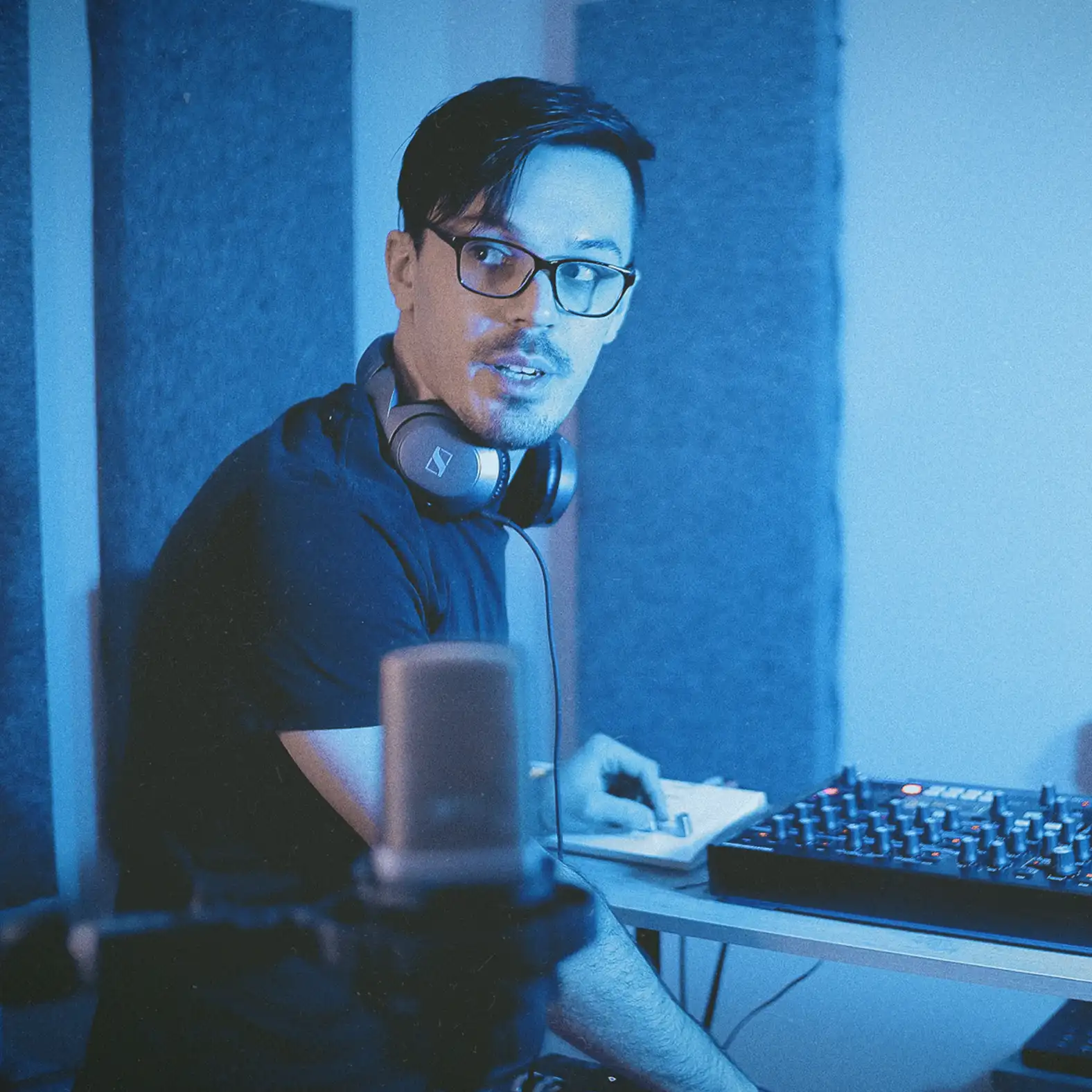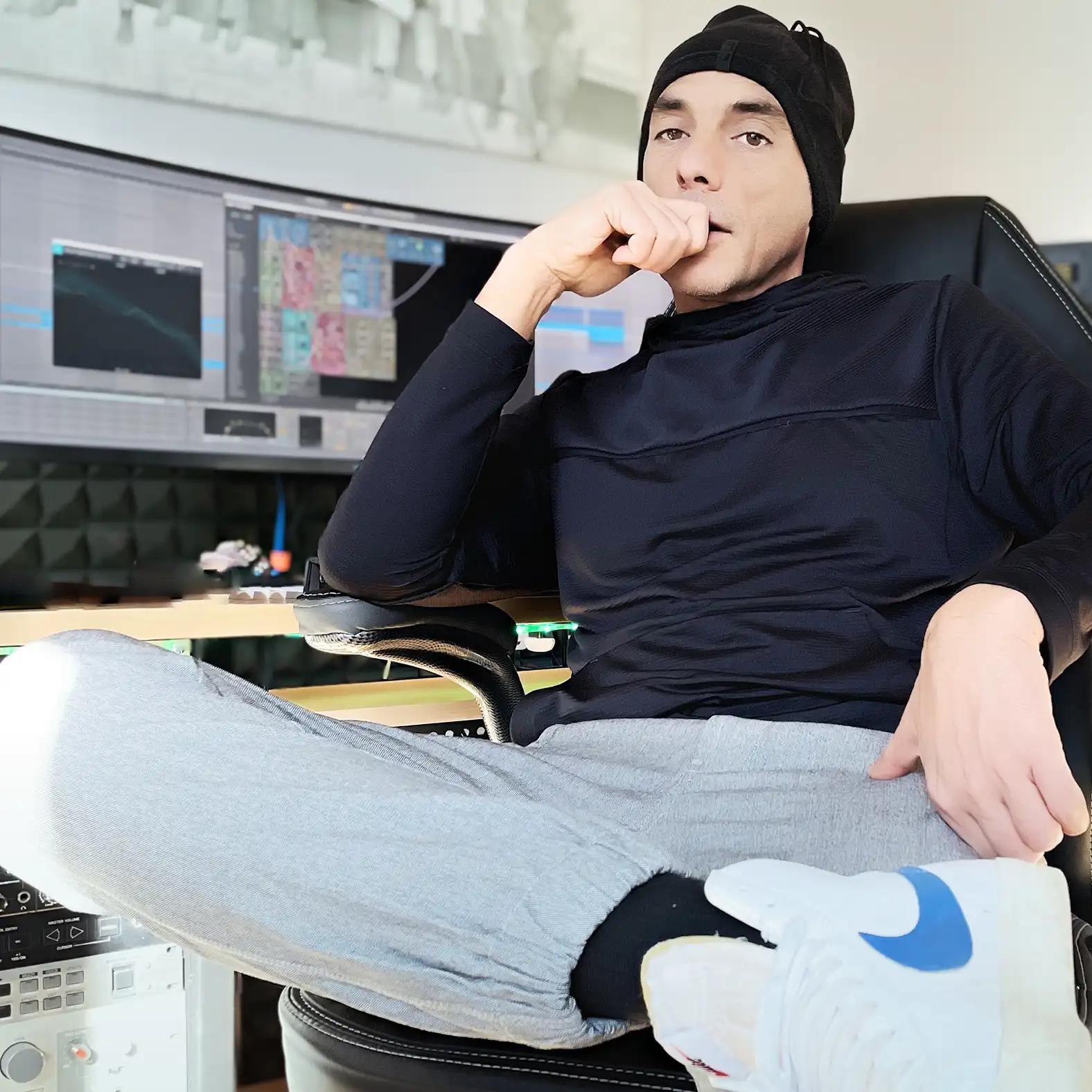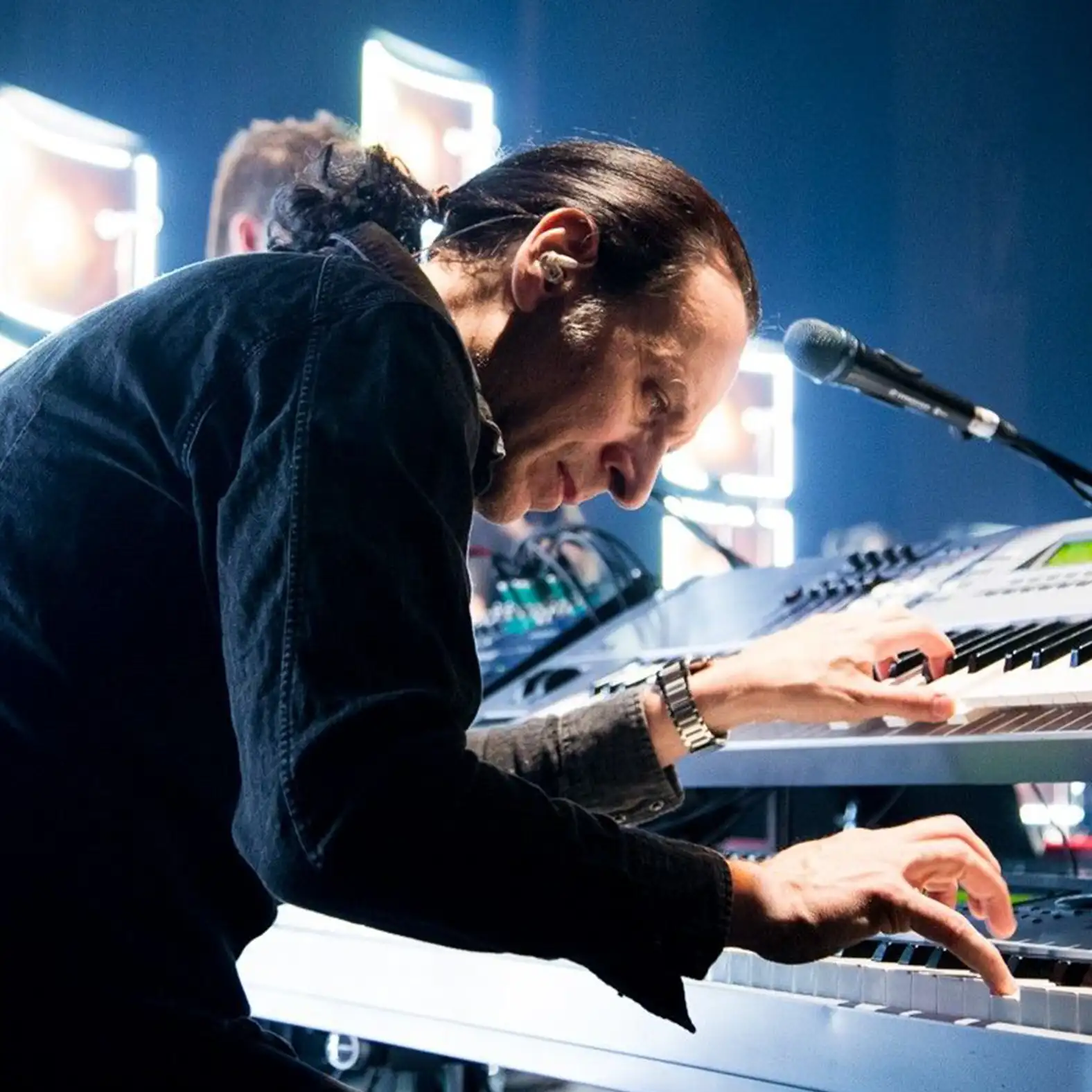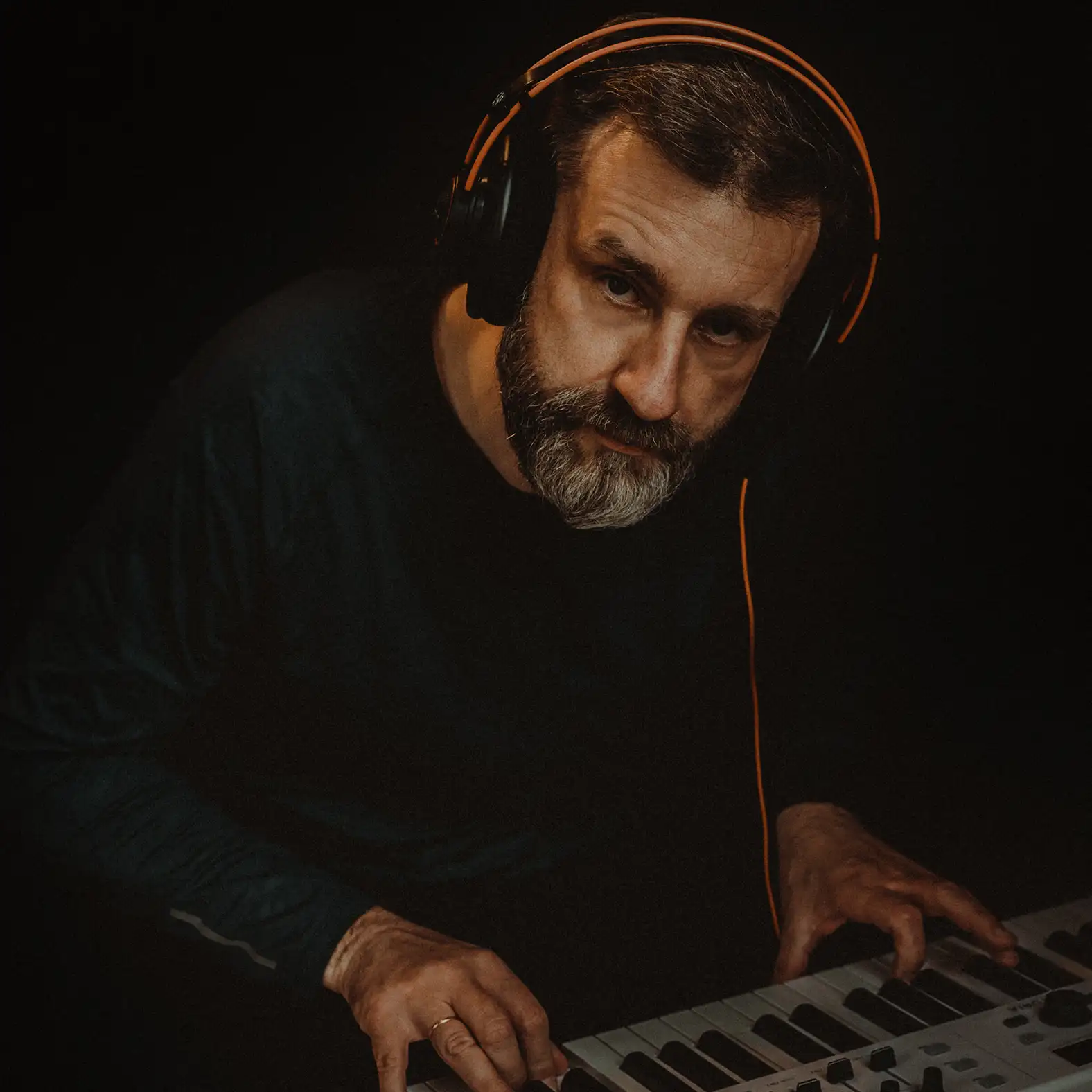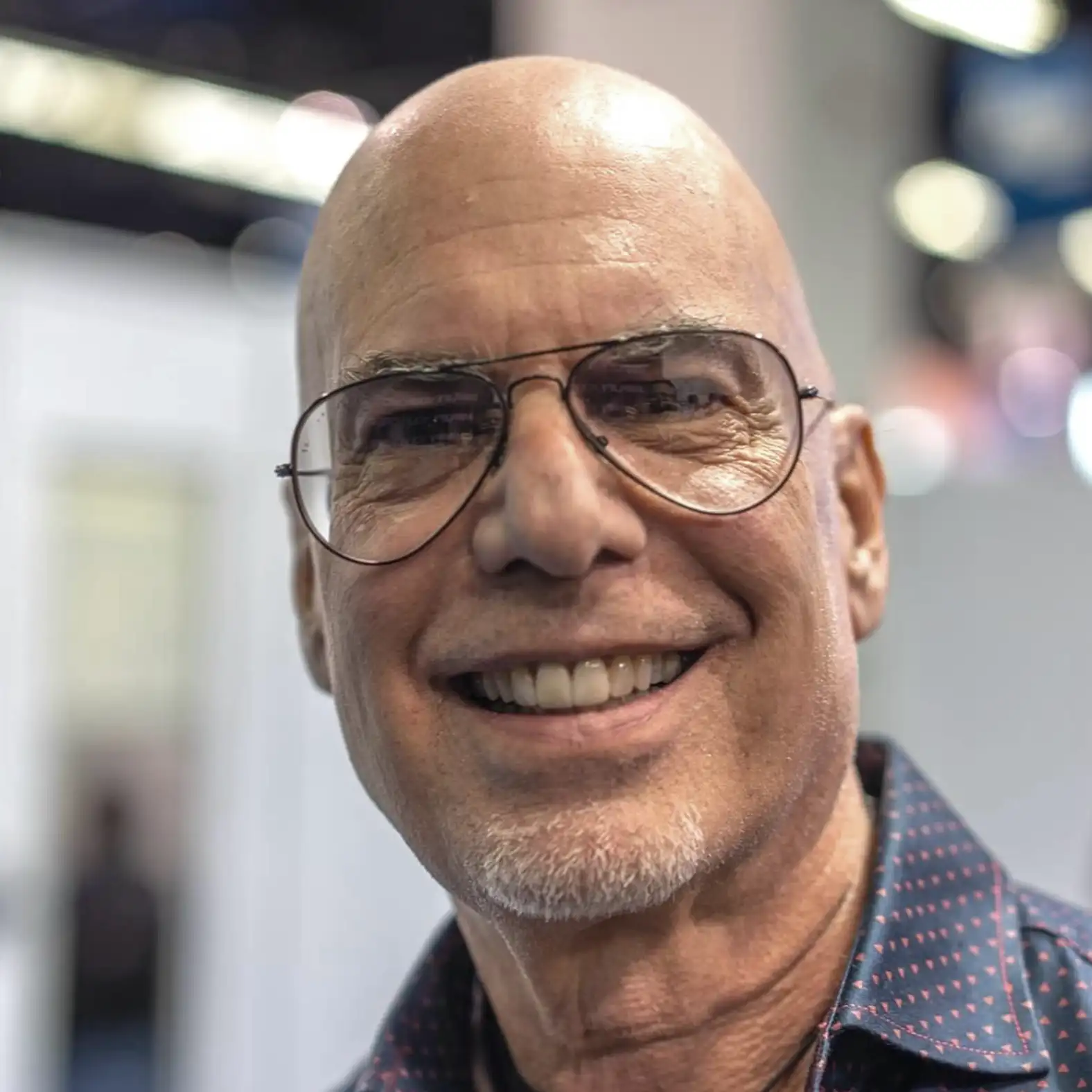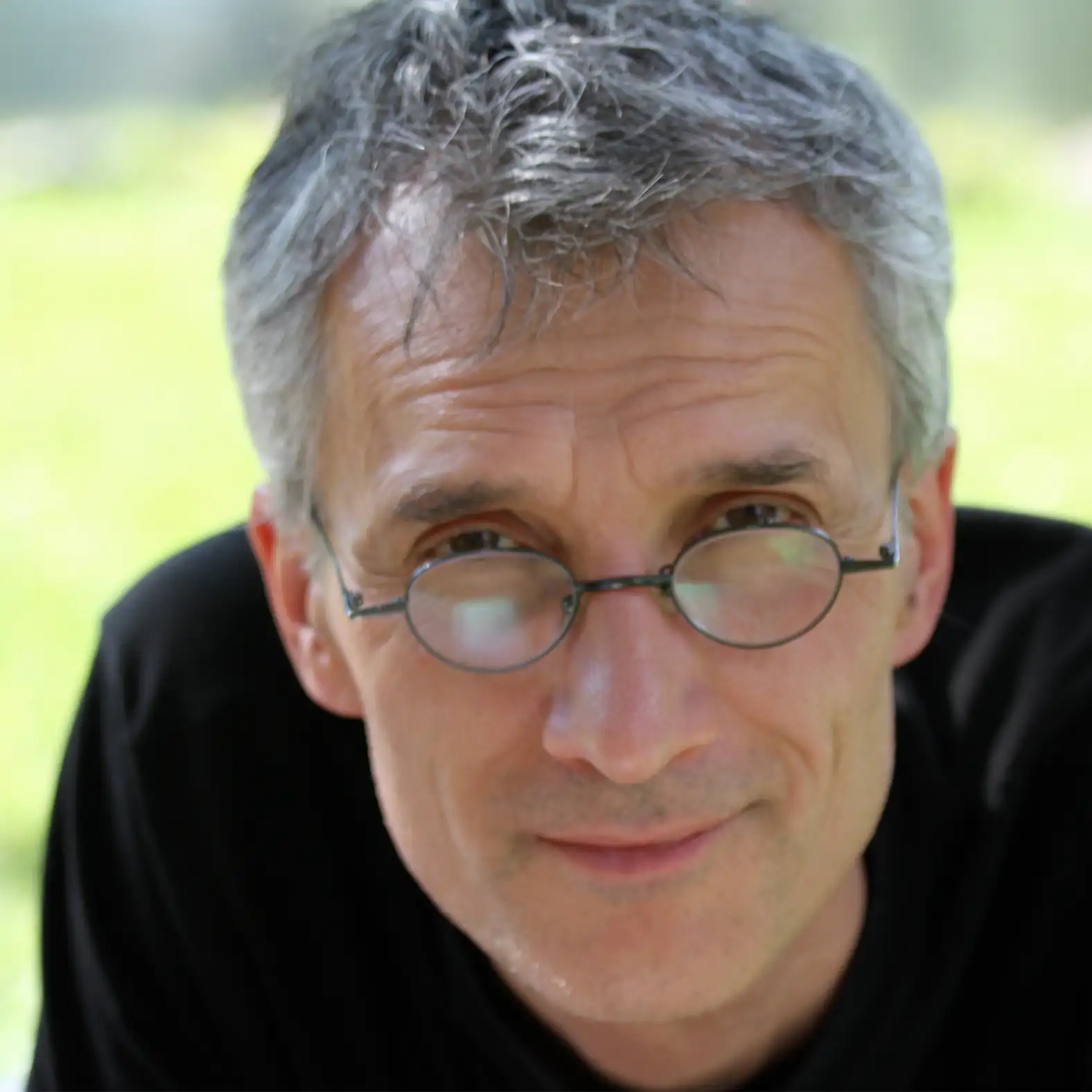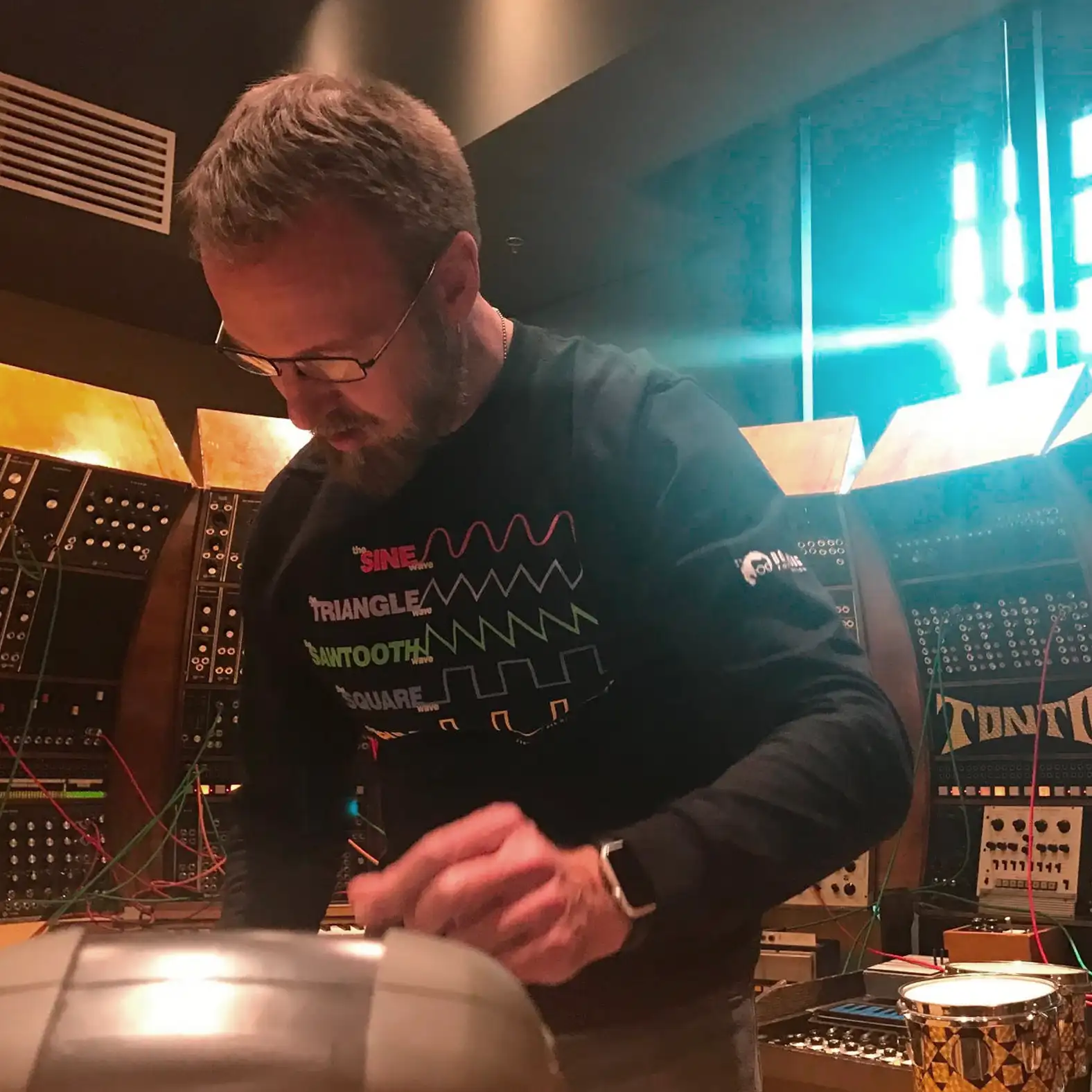
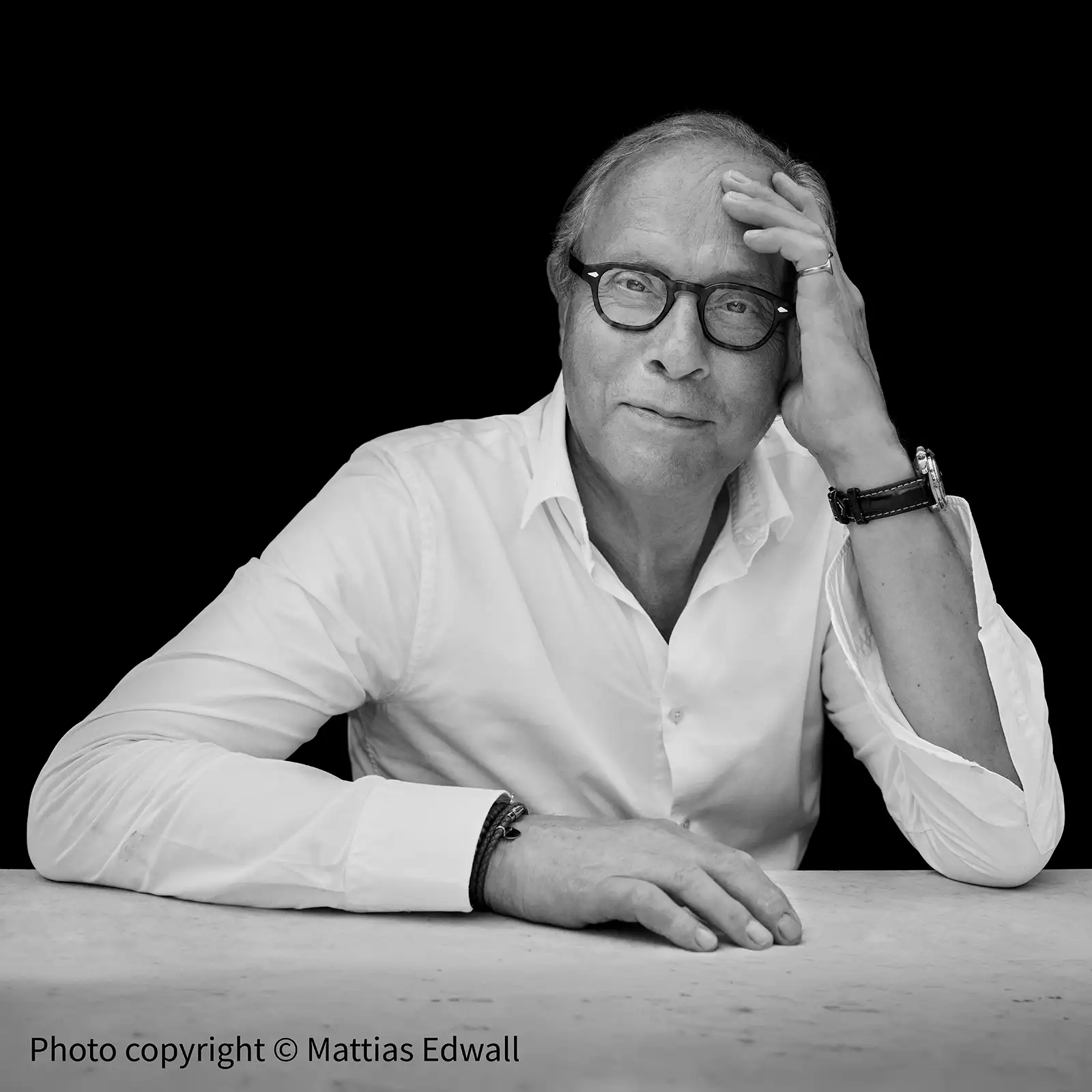
Paolo Rustichelli

Born in Rome from a soprano opera singer, Paolo decided to follow the footsteps of his musically acclaimed father, the three time Oscar nominee Carlo Rustichelli. Following his study of composition and orchestra conducting at Accademia Chigiana, as well as classical piano studies with the international virtuoso Tito Aprea, Paolo started his career as a soundtrack composer. Then, as a performer/arranger, he recorded with top European pop music artists. In 1995, he released the solo album Mystic Jazz (Capri in America) which was the first Italian jazz-rock album to be released worldwide by PolyGram records. In 1997, he released Mystic Man featuring the legendary Miles Davis, Carlos Santana, Herbie Hancock, Wayne Shorter, Andy Summers, and the disco diva Jill Jones. The song Paisa reached the Top 10 on the U.S. NAC chart (Smooth Jazz). In 2002, he composed and produced the song Kyrie for Placido Domingo's Sacred Songs album. His last record Neopagan, completely made with state of the art plug-in technology, was released in July 2006 and entered the Top 10 in the R&R charts with the song My Geisha. Paolo has also scored more than 100 movies throughout the years.

A Few Words with Paolo Rustichelli

Paolo, please tell us more about your career and musical background.

After completing my classical training of piano and orchestration study, I started playing synths as a session man at RCA in Rome, then I also started in scoring movies for theatrical release and television in Europe. It was years later that I came to the US to play and record with Miles Davis and Carlos Santana.

You share your time between Rome and Los Angeles. Do you work on similar type of projects in both cities or do they correspond for you to two different musical universes?

I own several fully loaded Mac G5's with similar plug-ins, which allow me to work on the same projects; sometimes starting a song in Rome and terminating it in L.A. Unless I have to score a movie in Hollywood which requires my physical presence in Los Angeles only.

Your latest album, Neopagan, has been entirely done with virtual instruments. This is somehow surprising from someone who has played with so many high profile performers. Do you feel that synthesis technology has reached a point where you get the required level of expressivity with software synthesizers?

I reached a point that my house got filled up with keyboards, to the desperation of my girlfriend! Now with the advent of plug-in technology, I can take back that space! In regards of expressivity, I think that the future is bright, partially because the present is, but the road to perfection, if this word is applicable to terrestrial things, is still far to be completed or achieved.

In Mondorama, a song from your album Neopagan, the guitar track was done with String Studio. Could you tell us more about your experience with this instrument?

String Studio is a nice instrument capable of creating innovative sounds, from bells to electric guitar simulations. It also has a funny similarity with the sound of Carlos Santana. In fact, I received an e-mail one day from a person well known in the music industry asking me, probably knowing my past collaborations with Carlos, if Mondorama's guitar solo was made by Santana. I said with a devilish smile "Yeah, do you like it?" Honestly however, I don't like to emulate a real instrument with synths or plug-ins, I rather create a more unique and peculiar sound.

Do you use software synthesizers live?

I'm kind of a sound perfectionist and I don't like the roughness of rock & roll live situations. It's exciting and fun though to have the feel and reactions of the audience. I don't play live often but when I do, I just like to use plug-ins.

What are you currently working on?

My next album and a movie score, both in Los Angeles.

Thanks Paolo!

Paolo's album Neopagan