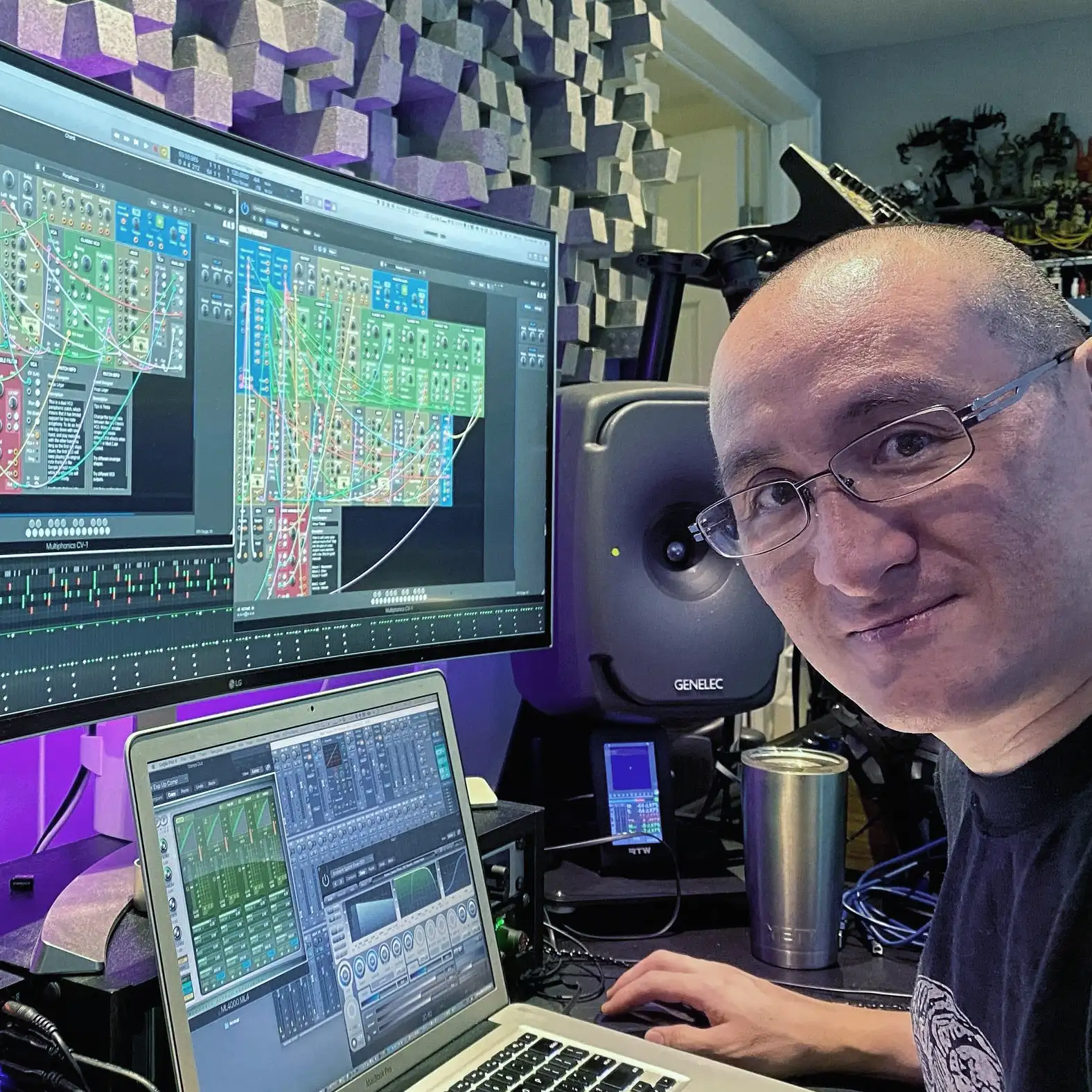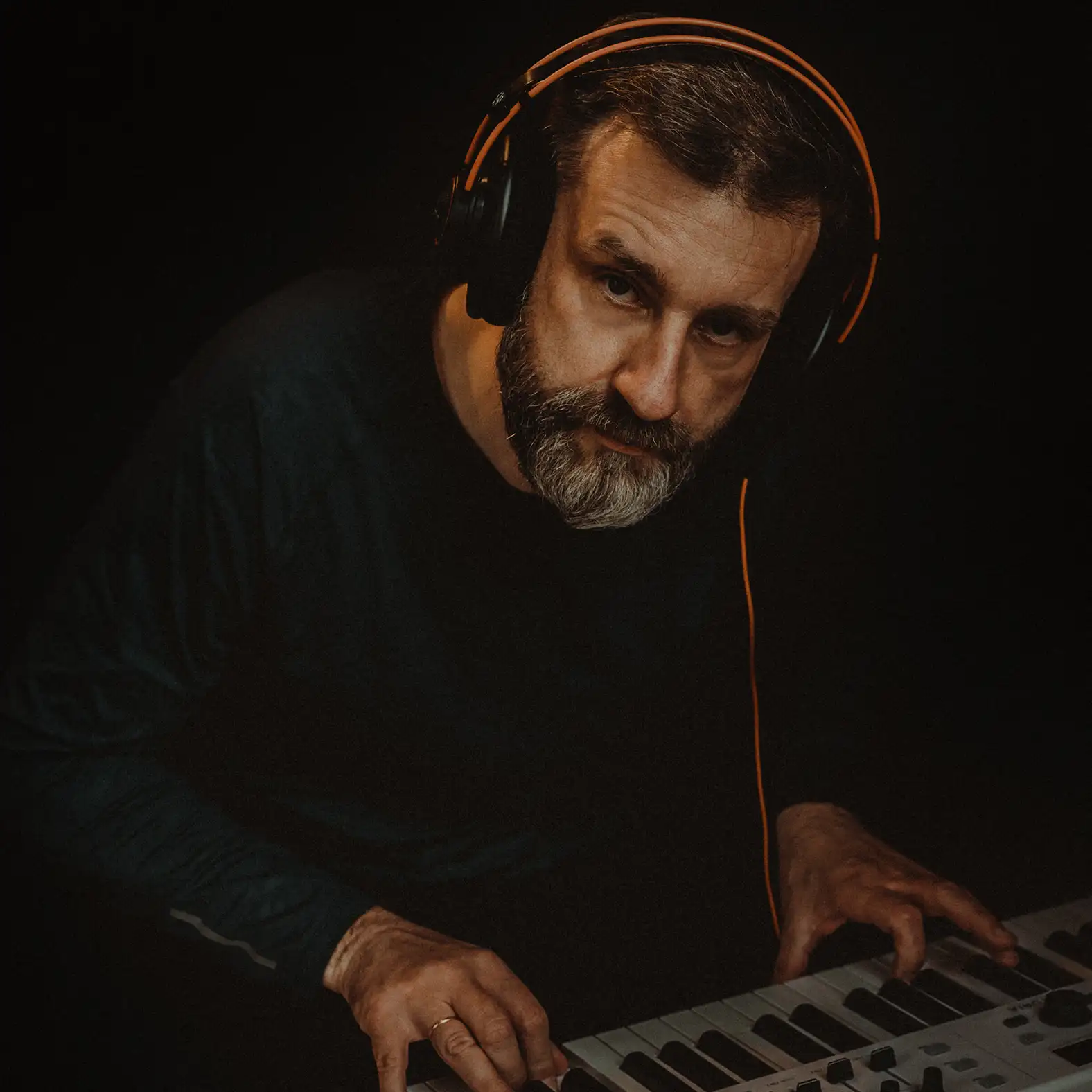

Husky Hoskulds

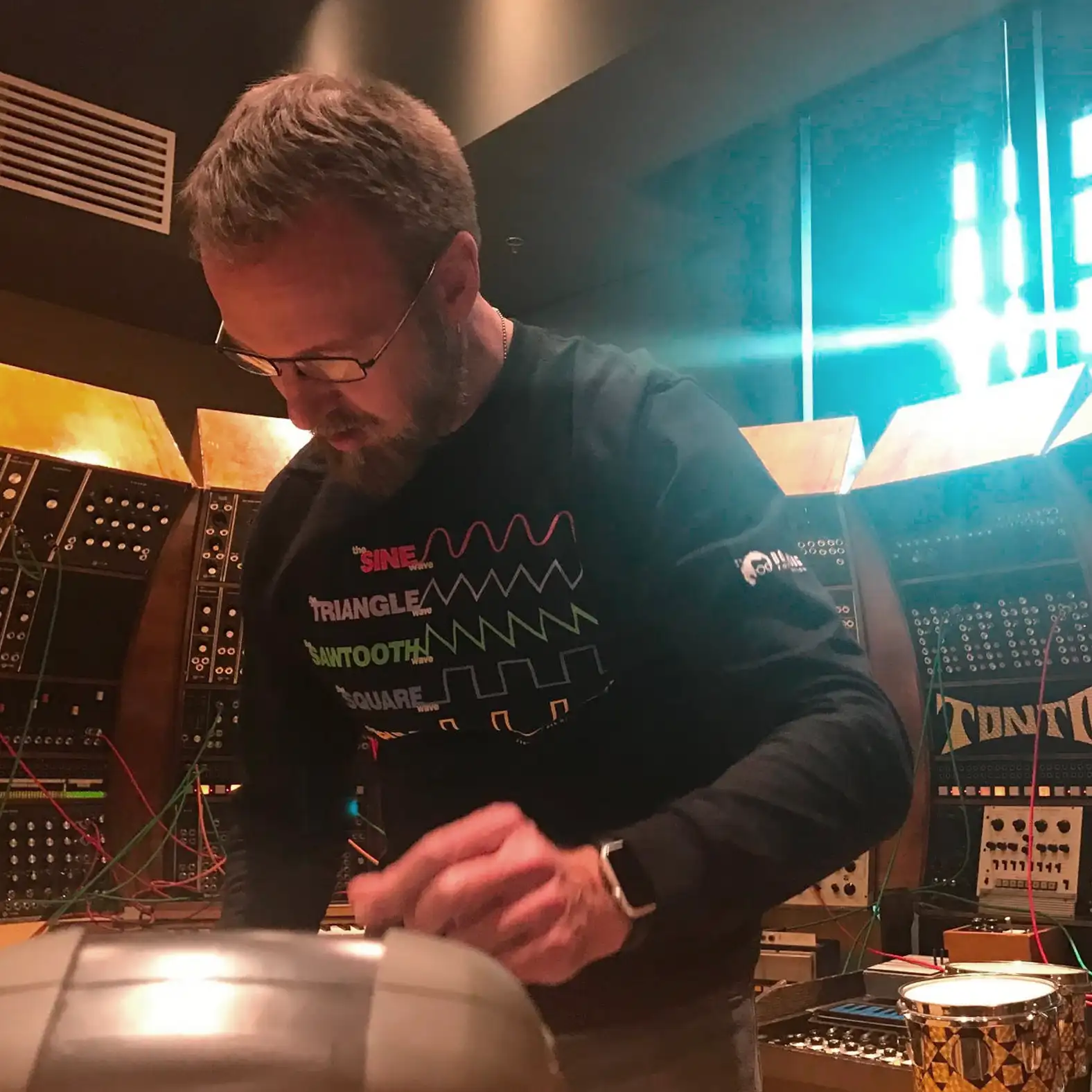
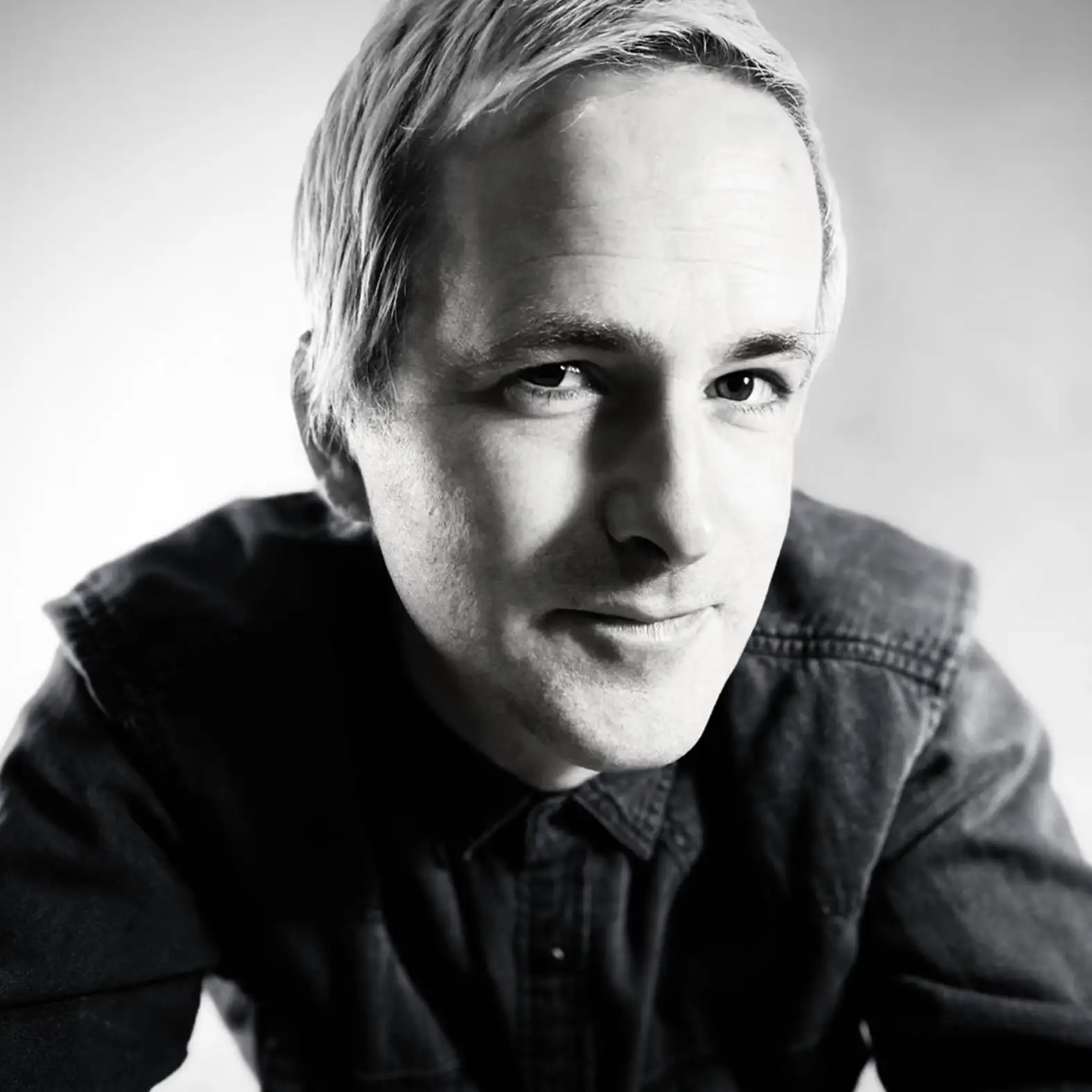
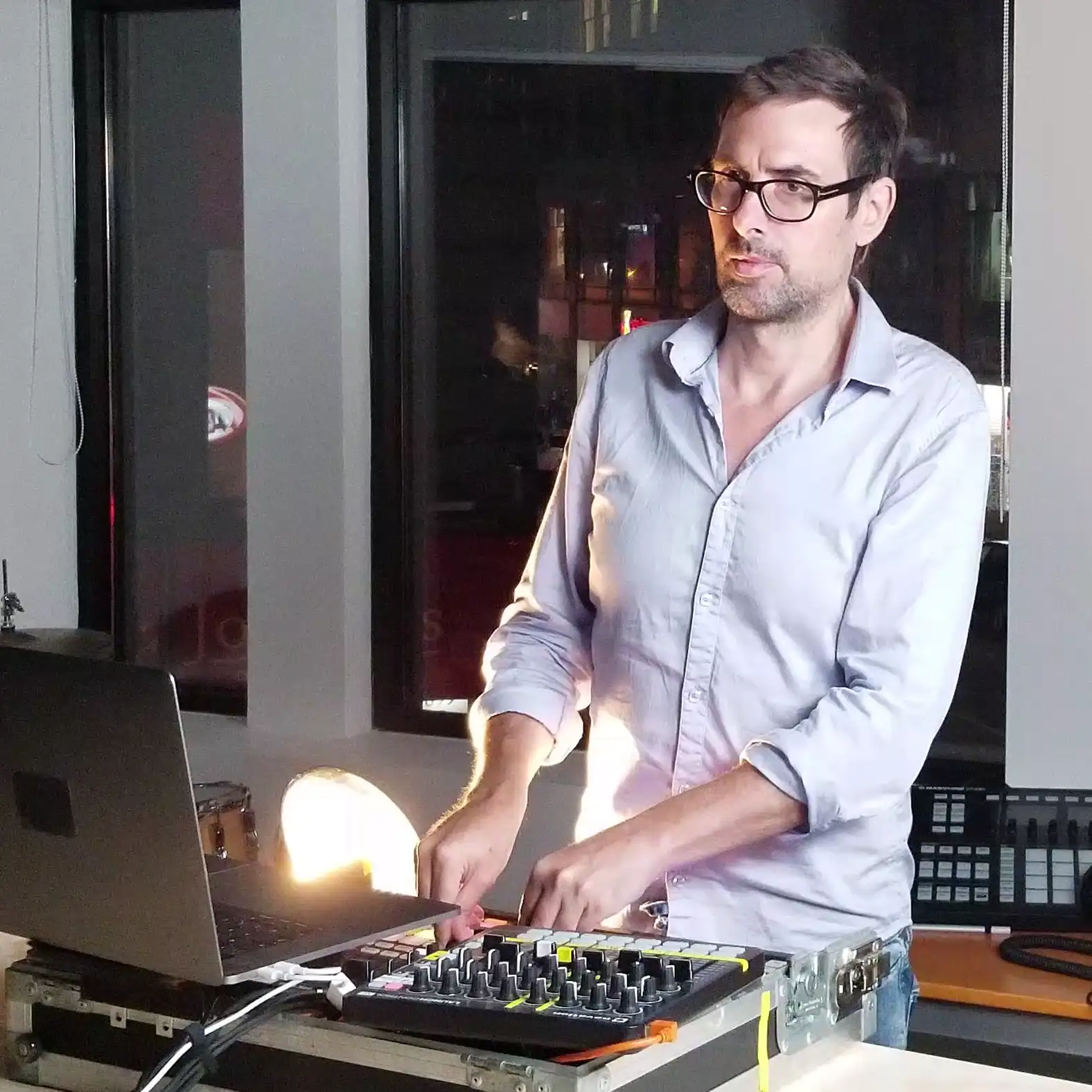
Husky has quite an interesting and eclectic résumé, his studio credits include albums by Sheryl Crow, Tom Waits, Fiona Apple, Aimee Mann, Turin Brakes, The Wallflowers, Vanessa Paradis and Joe Henry. And, in 2003 Husky received two Grammys for his work on the Solomon Burke record "Don't Give Up On Me" and Norah Jones' "Come Away With Me".

A Few Words with Husky Hoskulds

Maybe you could start by telling us a bit about your background, how did you get into mixing and engineering?

I moved to Los Angeles from Iceland in 1991, and enrolled in UCLA's engineering extension program. Did that for a year, and just before that was finished, got a job answering phone calls at a local studio. Worked there for a while, before moving on to a staff engineering position at Grandmaster Rec, Hollywood Sound Rec, and finally Sunset Sound Factory, from where I eventually made the transition to full time, independent engineer.

What projects have you been working on recently?

Right now I'm working on another album with Mike Patton (Fantomas, Mr Bungle, Faith No More) as well as having just finished mixing the Vincent and Mr Green album (on Mike's label Ipecac), and starting on my own remix album of sorts but that's still in the beginning stages.

What are you looking for in a synthesizer, instrument, or effect processor?

To put it simply: something unique. Something simple yet powerful. I find that with the amount of plug-ins coming out today, manufacturers would almost be better off making simple (and really good) units, as opposed to having them do everything. I think that the average musician or home recordist has a limited attention span and if the plug-ins get to complex, or too much like a multi-effect box, only a handful of parameters or features get explored. Having said that, as an engineer, plug-ins and softwares like Tassman are great for me because it lets me get as complex and as custom as I want. That's also very important to me because sometimes FX or VSTi's have only that one thing missing, but with Tassman for instance, I can customize to my taste.

What is the process of getting a particular sound or effect, and how does Tassman integrates with your work flow?

Tassman gets used like the other plug-ins and instruments I own; where the project dictates very much the type of plug-in or effect I use. Sometimes all I need is a great emulation of an analog delay, but with a slight random modulation, but sometimes I have the opportunity to take things further, maybe converting some of the audio to MIDI, using it to trigger some Tassman membrane or metallic type sounds... It's always different, and that's the beauty of my job!

What do you consider to be the most challenging aspect of your job/music making?

Well, like I said before, all the projects are different, and some of the albums I do will lend themselves to a lot of processing and input from my end, but some not. Making sure not to process for the sake of processing or mangle for the sake of mangling is often the most difficult part.

Finally, what's coming up next for you?

I'm focusing on building up my own studio, and bringing more mix work there. I'm also outfitting my room for 5.1 work and I've got a couple of projects I've mixed that I may look into doing in 5.1 later this year. I also mentioned that remix album of mine, but more on that later...