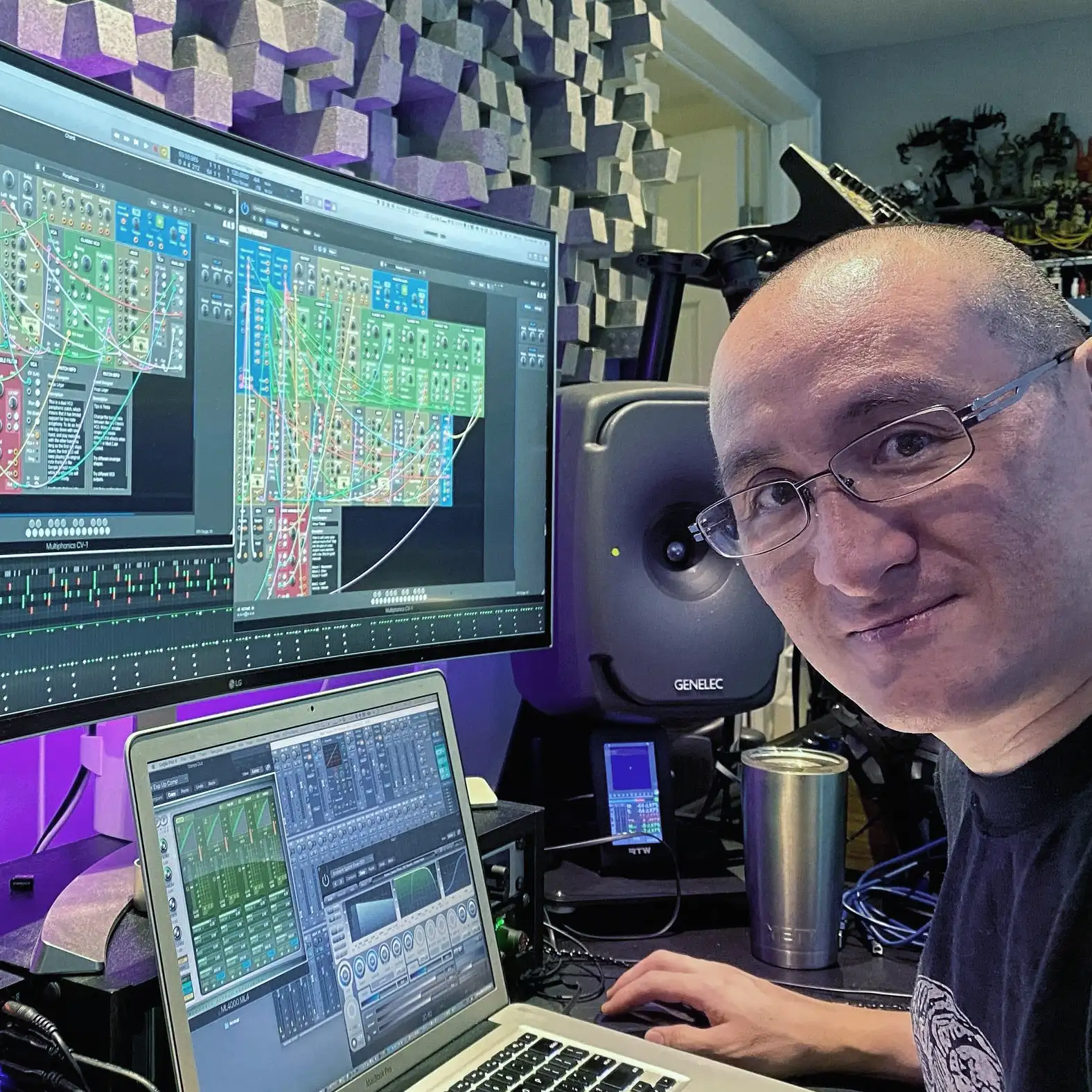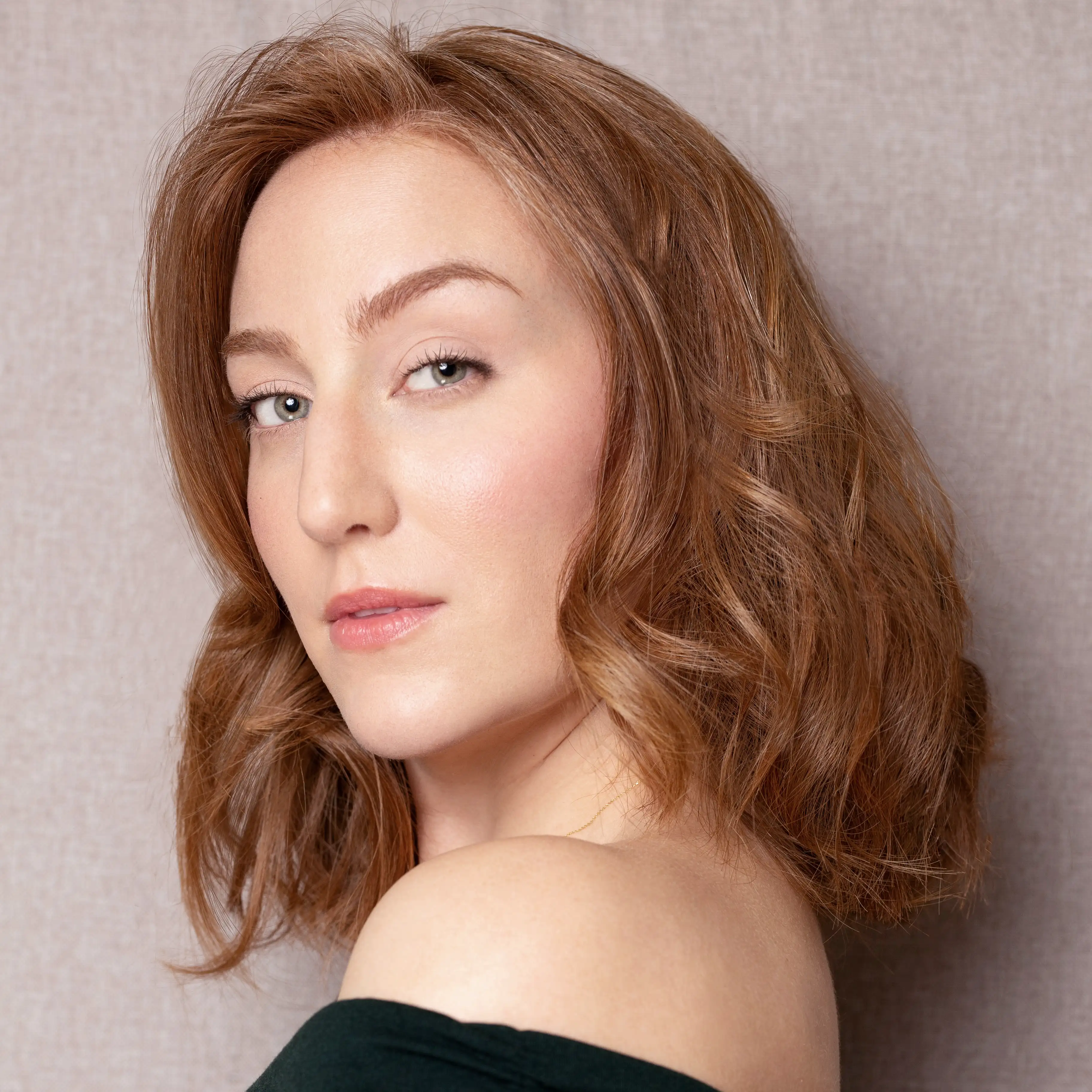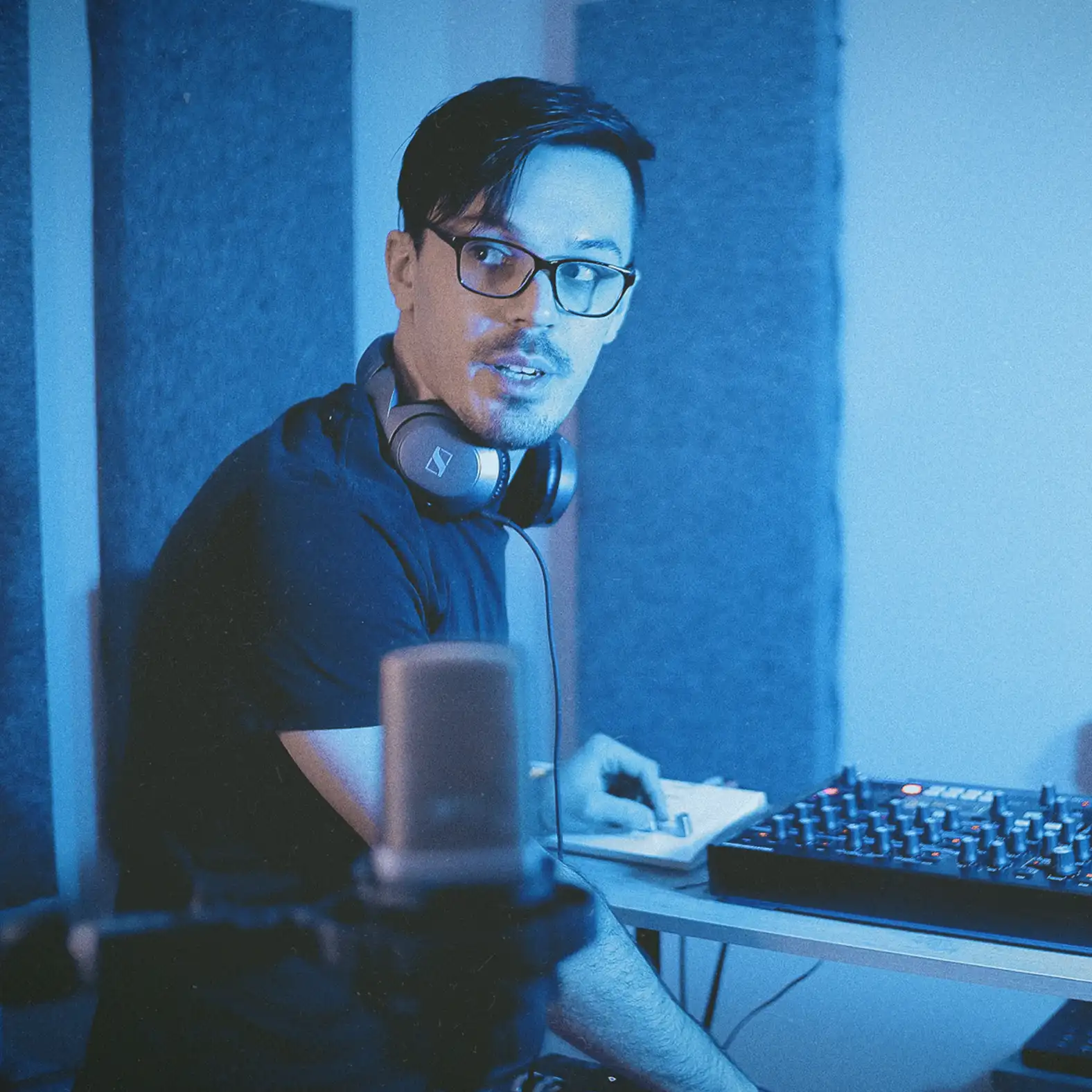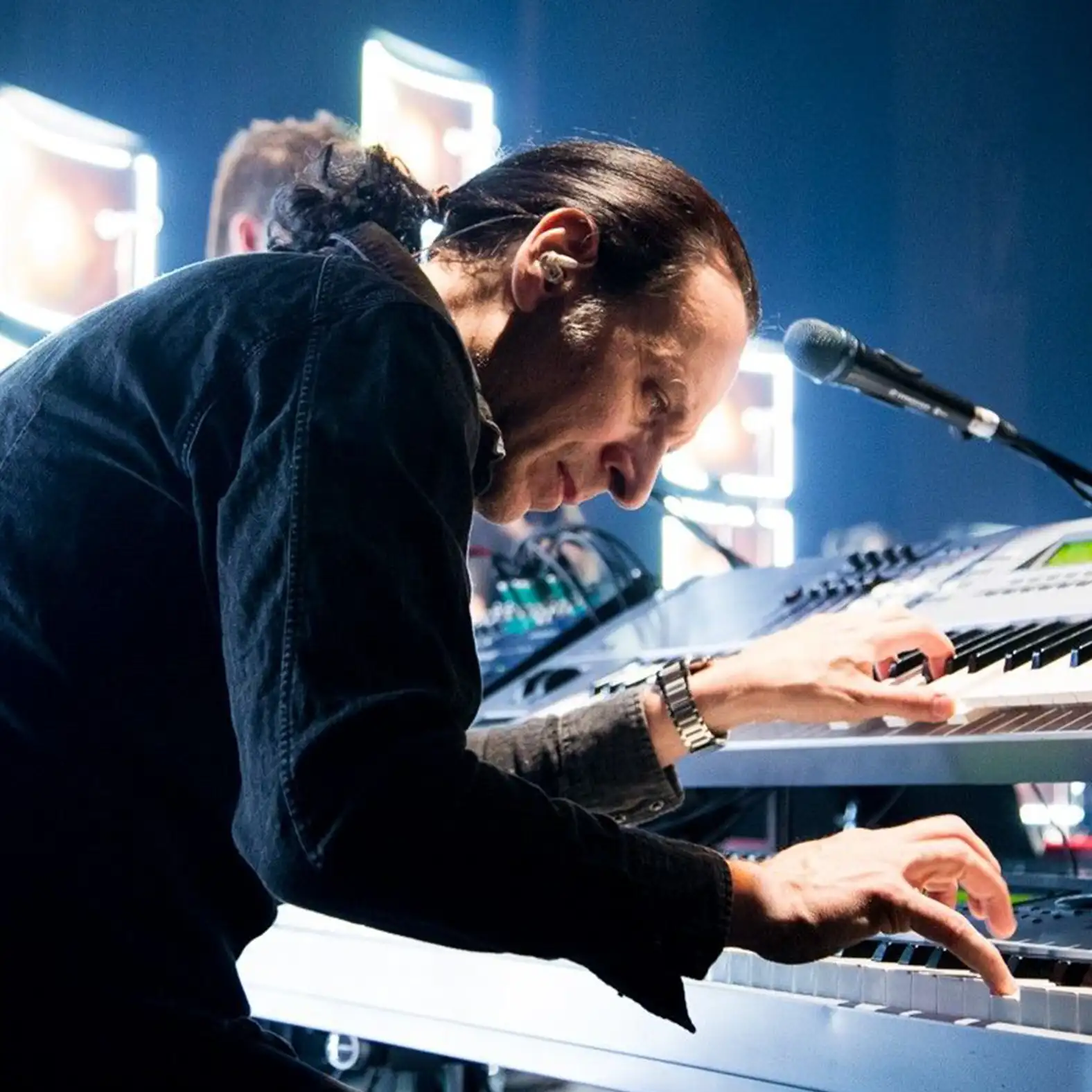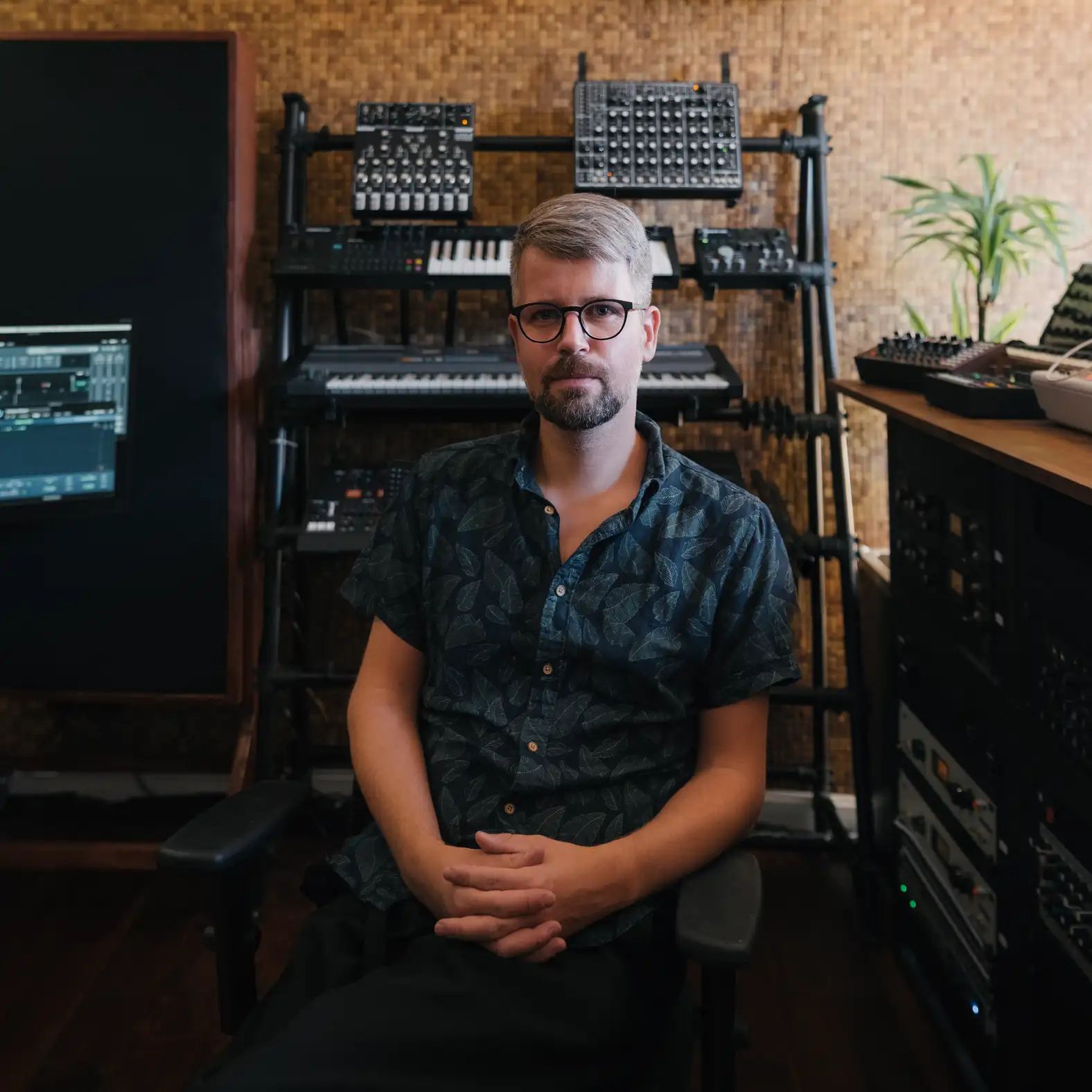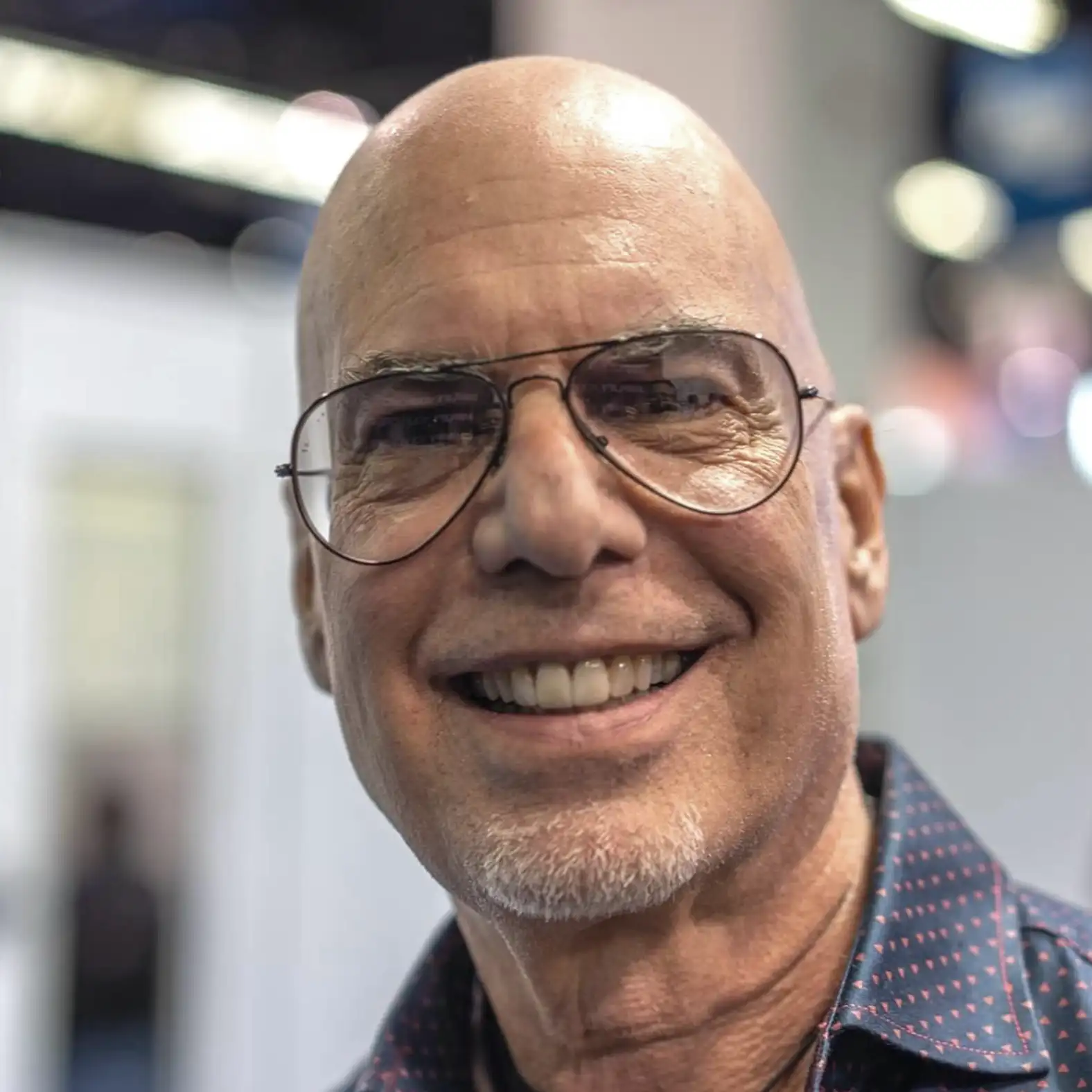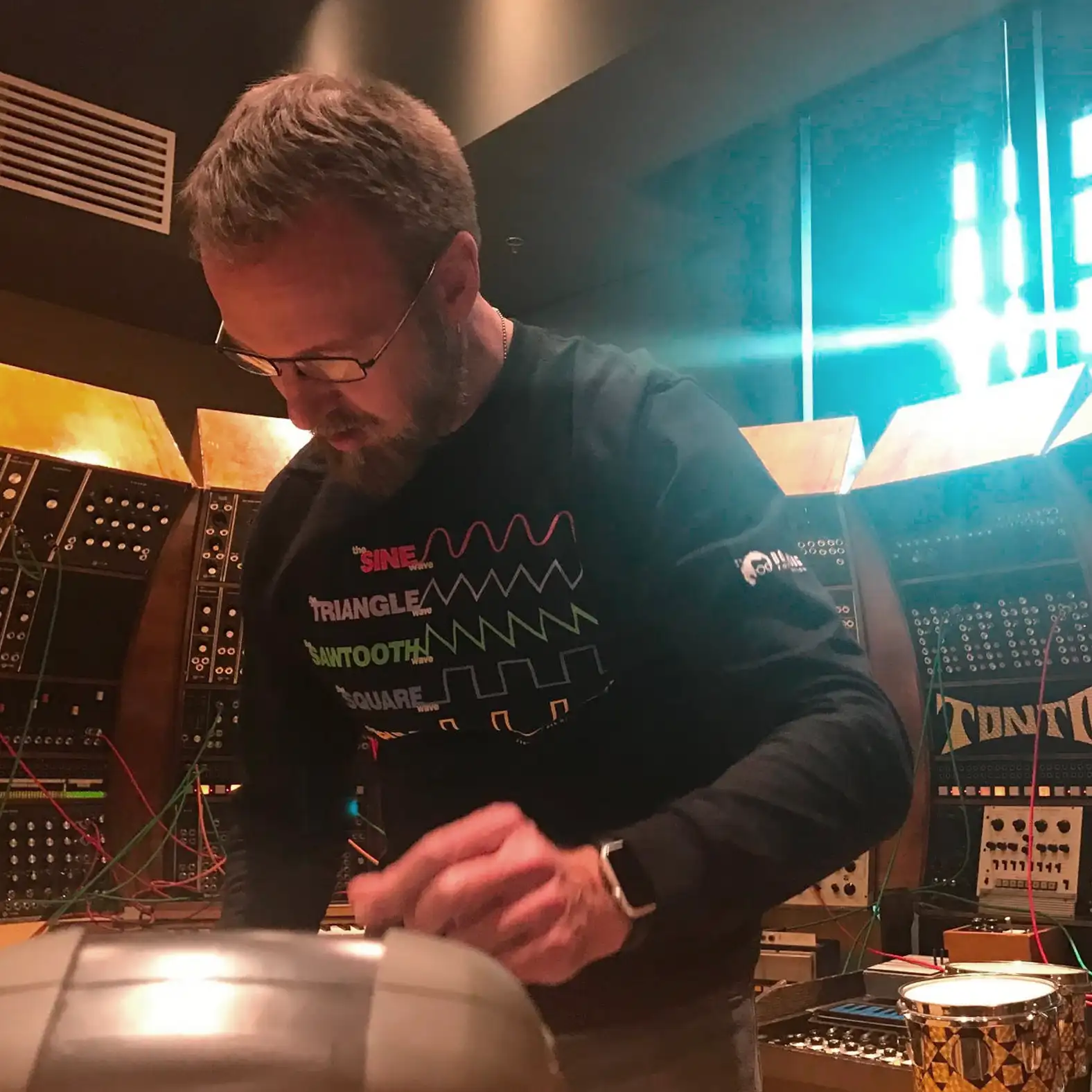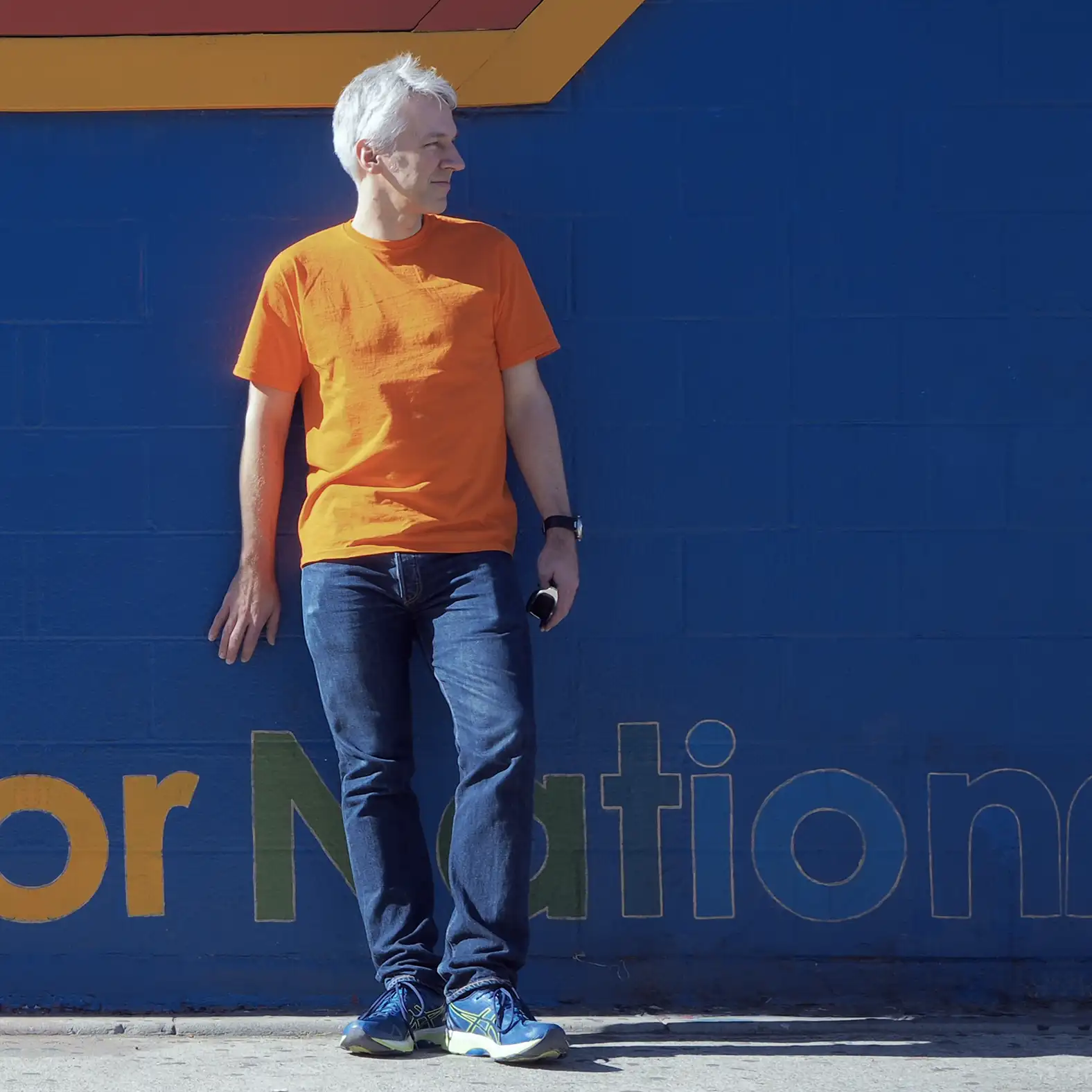
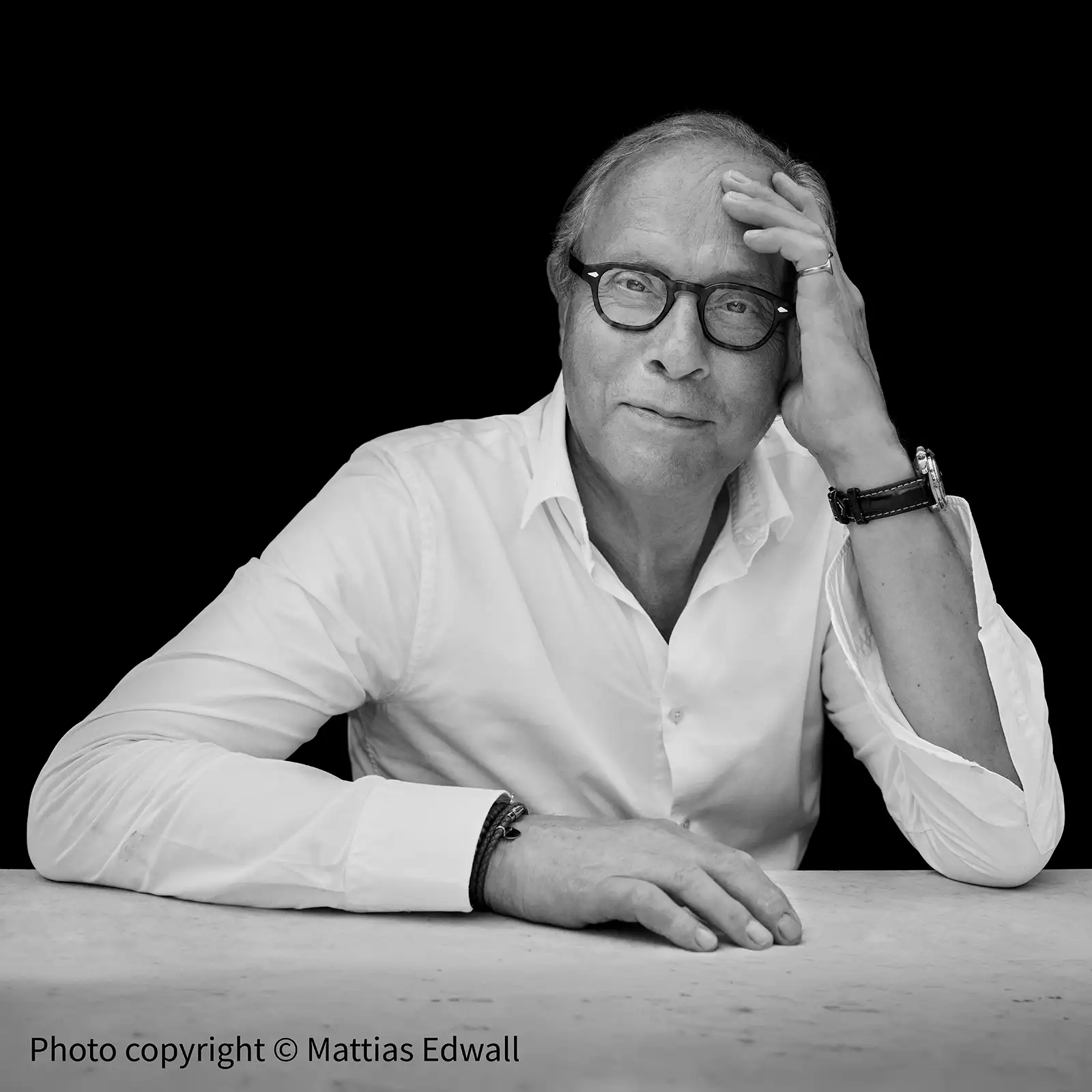
Glen Darcey

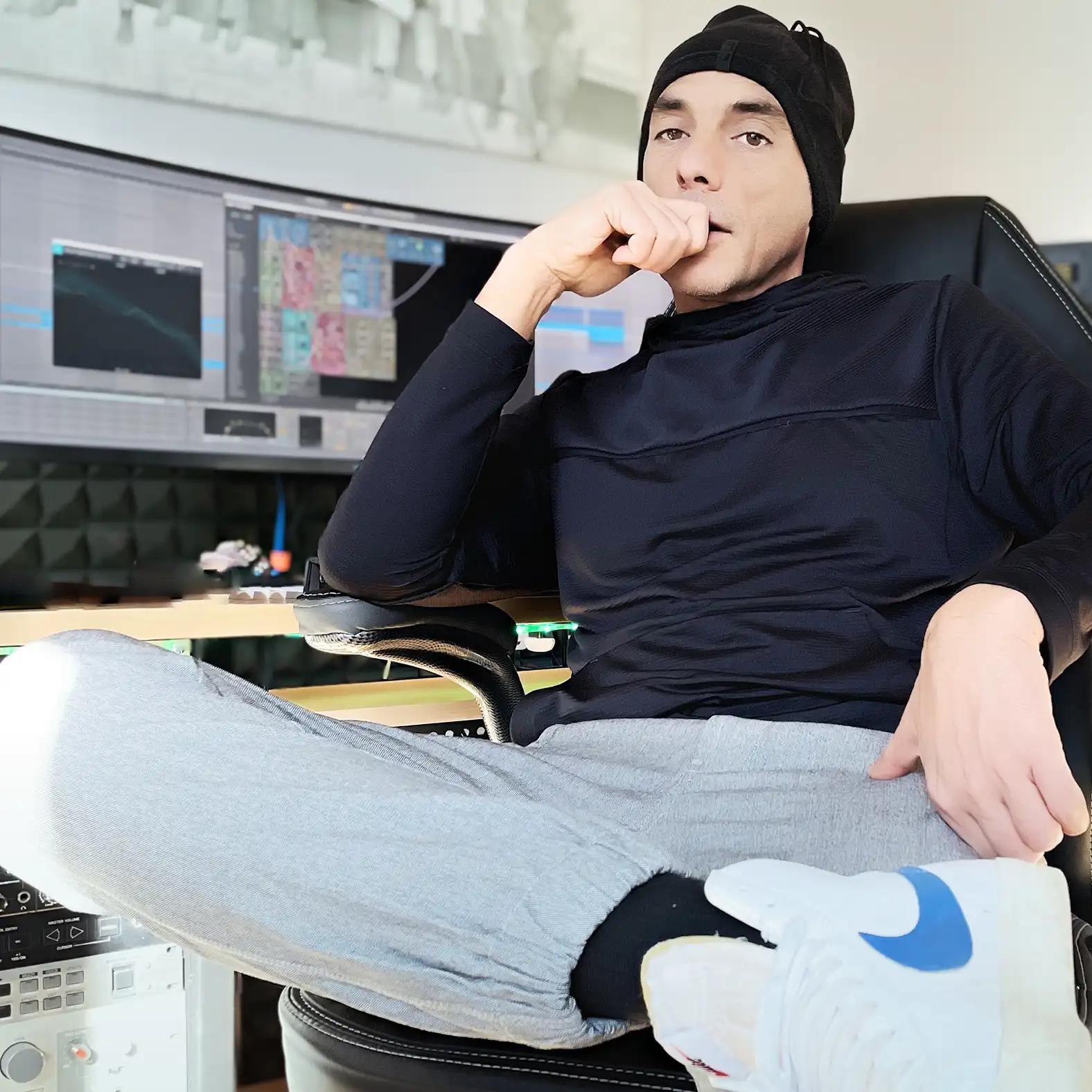
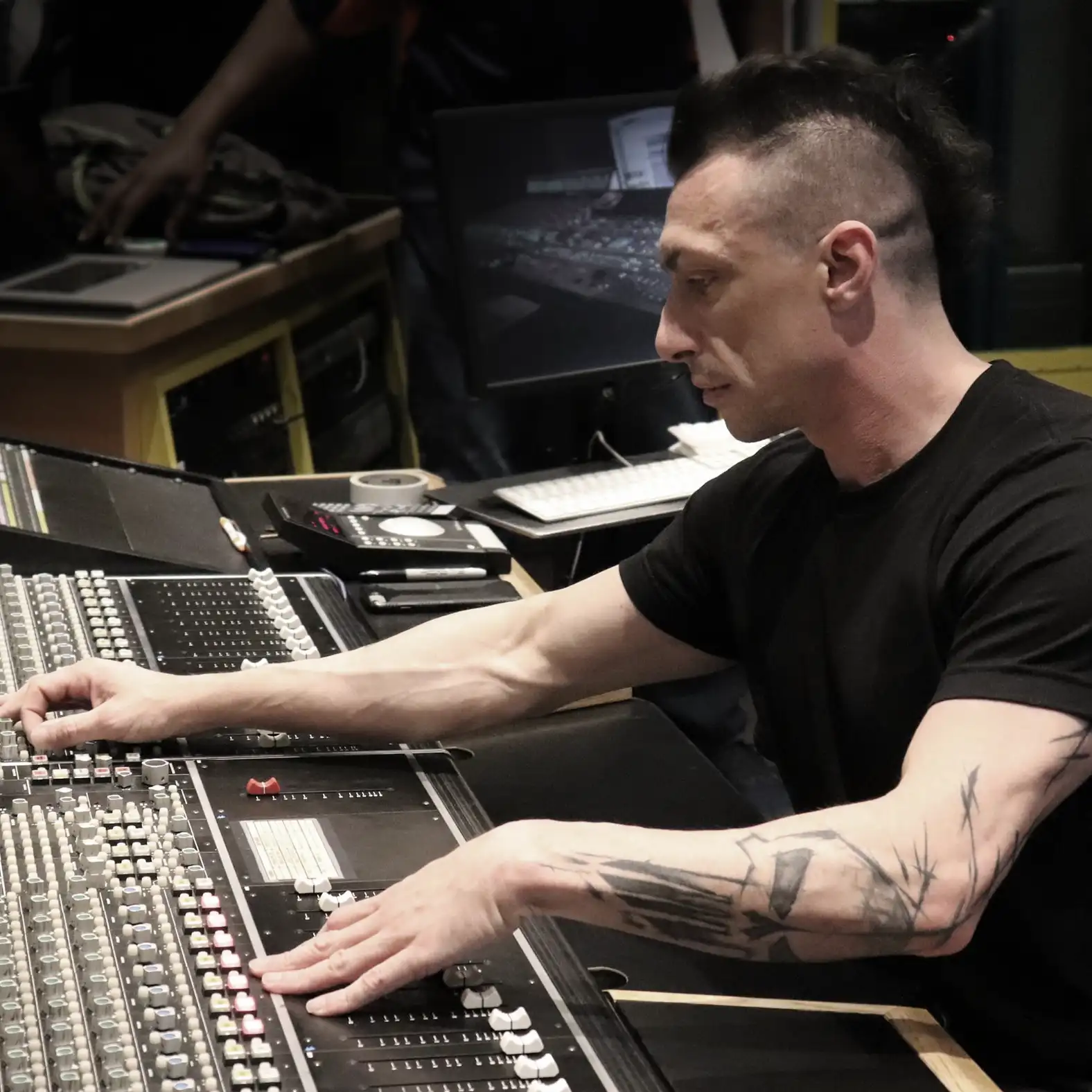
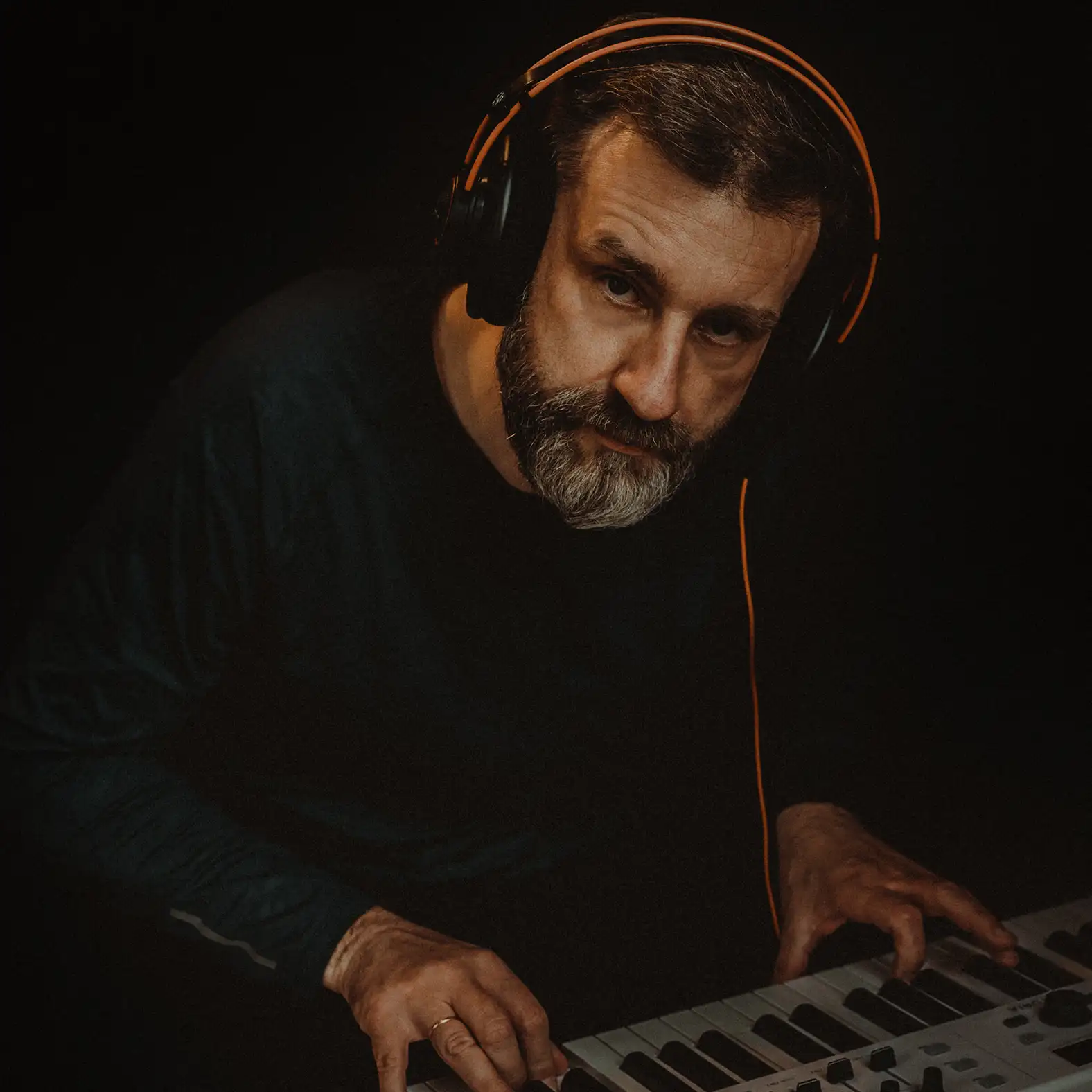
Glen Darcey is a sound designer/synthesizer programmer with 22 years of noise making experience. He learned synth programming on a Prophet V, customized Moog 55, Aries 200 modular synths and slew of other 70's and 80's gear. He went on to Berklee College of Music to study in their electronic music program and in his first semester, was tutoring Seniors students in the program. He left Berklee, studied electronics and went on to work for 360 Systems where he did sound programming and editing for Disneyland, Disneyworld, Universal Studios Tour, Knott's Berry Farm and on the Midibass Pro. He went on to work for Roland US for 7 years. During his time at Roland he wrote articles for Music Technology Magazine and did synthesizer programming and consulting for many of the top L.A. studio musicians. He's programmed sounds and sample libraries for Alesis, Ilio, Sampleheads, and Prosonus. He now spends most of his time making sounds for cartoons and doingvideo editing and motion graphics. His hobbies include skateboarding, mountainboarding, bullfighting, and diamond cutting.

Glen Darcey's website

A Few Words with Glen Darcey

Maybe you could start by telling us a bit about your background, how did you get into making music, and more specifically, sound FX?

I started off playing sax from about 4th grade on. In 1980, I went to Berklee College of Music for a summer semester and they made me learn to play keyboards. I was into Devo, The Cars, The Tubes and a bunch of other new wave bands. I loved the weird sounds which led me to synthesizers. I started studying synthesizer programming in 1981 with a guy named Stan Levine. I really learned synth programming on a custom Moog 55, over the next few years I also had a Moog Prodigy, Moog Opus 3, Crumar Stratus, Prophet 5, Aries Modular, Arp 2600, CS-60, Oberheim Xpander, etc. Stan not only taught me the in's and out's of synthesis and tape manipulation but he got me into listening to a bunch of the musique concrete and early synth pioneers like Morton Subotnic, Karlheinze Stockhausen, Wendy Carlos, Larry Fast, Etc. I started to enjoy making sounds more than actually making music. I had done programming on some sessions but when the DX-7 and other programmable preset instruments came out, the market for that kind of work died. I went on to study electronics with a goal of designing synthesizers. I worked for 360 Systems for 3 years and then worked for Roland for 7 years but left because all the product design work is done overseas and they weren't receptive to accepting input on ideas for new products or to feature request we had. After that, I started programming sample libraries for Ilio, Sampleheads, and Prosonus. I also did some presets for Alesis and started doing freelance audio editing for TV projects. Now days, most of my work is sound editing, sound design and video editing, both freelance and for Vitello Productions but I've recently I've returned to my first love, doing presets for synths.

What projects have you been working on recently?

I've just done my first HD video editing job for Toonacious Family Entertainment. I love working with Toonacious, they want to make movies and cartoons that have some values to them and that are fun. The director/animator at Toonacious is a guy named Tony Bancroft (he directed Mulan, created the Disney character Pumba and more). He has a great artistic sense and allows you to do your job. They are a really fun company to work with. I've been editing a series of 65 radio spots for them as well. I did video editing, motion graphics, and wrote some music for a skateboarding video. They have just released a CD of the sound track. I did a bank of presets for Arturia's CS-80V synth and I just finished doing sound fx on a new 1 hour Charlie Brown Christmas special call "I want a dog for Christmas". I have more radio spots coming up in the next week and sfx job on a cartoon about mules. I'm starting to write and record some music again.

How did you get involved with the Charlie Brown project?

The Charlie Brown work all came through Vitello Productions through whom I've done sound on about 125 cartoons and motion graphics on about 70. I've been blessed to do sound fx on the last 3 Charlie Brown specials and did some motion graphics on "Charlie Brown Christmas Tales" a year ago. I love working on the Charlie Brown stuff because I grew up with it. It's an institution. The sound design on a CB is really easy but for me, it's about being true to the original shows of the 60's. It's more like doing restoration work on a famous painting. You want to match the ascetic of the original. Getting to work with Lee Mendelson and Bill Melendez is really cool. You get to hear all the stories of Hollywood in the 40's, 50's and 60's. I have a real appreciation for the history of it all.

What tools, software and/or hardware, are you using in your studio?

I used to have a nice mix of hardware and software, but the plug-in's are so good now that I've pretty much gone all software...except my spring reverb, nobody has done a good software spring reverb yet. My main tool for audio post is Pro Tools. I run a simple MBox system at home with digital video and then bring my finished sessions down to Vitello for final mix on their 64 track Pro Tools and Harrison Series 12 mixing board. I've been using Native Instruments Kontakt as my sampler. I'm just starting to use Tassman, I used it for a wire coat hanger sound and the sound of music notes falling into a bucket on the new Charlie Brown. For music, I use Logic Audio, but I'm thinking about switching to Digital Performer, I use Arturia's CS80V, Moog Modular V, a bunch of plug in fx, Soundhack is a great sound bending tool...and my spring reverb.

What is the process of getting a particular sound, is physical modeling changing this process?

The process for TV work is pretty straight ahead most of the time. See a door close, hear a door close. A lot of times the director will have an idea of what they want and your job is to just give it to them. But when you need to create the sound of music notes falling off a page of music into a cardboard bucket, and the director says "...uuummm you got me?..." those are the times where you can be creative. I used marktree samples for the notes falling but I needed them also falling into a bucket. I played with filtering and pitching the marktree samples but they never sounded right. I used a Tuned Plate sub-patch fed into a combination LPF/HPF, VCA and FX sub-patch I made, played with the key-follow and the error controls to make the sound less musical. It worked really well, the Producer, Director and Lee and Bill love it. So yes, physical modeling has added to my processes. To me the biggest part of PM is the natural feel it has. If you re-trigger a sample over and over, it sounds monotonous and kills the felling. When a bell or cymbal is hit repeatedly, the harmonics build up and blend and move, unlike the sound of triggering the same sample over and over. I also love the idea of making an electronic platypus of sorts. I want to hear a flute trigger a big plate, run it through a tube and listen to it miked by a pickup made of toaster oven coils. I like hearing new sounds and sounds with lots of subtle anomalies. That's why there is such a resurgence of the analog synths. It's because they all had a personality and the imperfections were what gave them character, that's what makes them interesting, much like people.

How has your experience with Tassman been so far, what sort of things have you used it for?

I'm still in the experimenting stage with it. I sold my Aries Modular and Arp 2600 in about 1994 or '95 so for me Tassman has been about rediscovering the fun of breaking out of the OSC-FILTER-VCA patch that all other synths have. With a modular synth, hopefully you are always in the experimenting stage. The possibilities only get as stale as your ability to imagine does. I've been making ultra modulation synths, you know, cross-mod the Linear FM vco with the Exp. FM vco and then balance mod the output of that so that all heck breaks loose. I've also been making some performance oriented synths, trying to build synths that are very musical. We lost that about the time the DX7, Juno 106's, Poly 6's came out. People got away from things like polyphonic aftertouch, ribbon controllers, expression pedals, etc. Now I just need to find a company making a really flexible controller. Lots of knobs, sliders, poly aftertouch, ribbon, infrared sensor, breath control, neural helmet, etc.

In your dreams, what would be your ultimate sound design tool, what sort of features would you ask for?

Tassman's pretty close. I think modularity is definitely the way to go. There is no one synthesis method that rules out over the others. I'd like to see more realtime processes like the convolutions in Soundhack. More ways to get samples or audio tracks in directly, nobody's really done anything commercially with VOSIM or FOF yet. I'd like to see some of the wave sequencing tools the the Fairlight and PPG with waveterm had.

What do you consider to be the most challenging aspect of your job?

Dealing with clients. They think it's always about what they want. I know better :). Some clients are difficult to work with and they suck the fun out of the process. They will take a funny cartoon and say "lets play it like it's a sitcom". Some people think we are "saving lives" instead of just creating entertainment. Deadlines are tough. In TV work the budgets are 0 and the deadlines are short. You don't get a chance to really construct sounds and be artistic. You usually end up going to a library and using that because the time isn't there. The way they did cartoons in the old days, when you needed a big metal crash sound, you stacked up a bunch of metal drums and junk and tipped it over. You could have spent an hour or so to make the sound. That's what I like about using Kontakt and Tassman. When I need a whoosh or swish that follows some action, I can quickly patch up a noise source to some filters and play the filters in realtime to picture with a mod wheel. It give it more of an organic feel. To do it via a sound library, you need to spend a bunch of time looking for the right sounds, editing them together to fit the action, EQ'ing etc. You may spend 10 minutes to half an hour doing it the sample playback route, I can do the same thing in 1 to 2 minutes using a good, flexible, synth.

Finally, can you tell us about your future projects?

The project I'm most interested in right now is working on songs for an album concept I have. I do motion graphics, video editing, and photography and would like to incorporate that into a live music/multimedia concert. I have some friends who are really good artists and designers and I'd like to work with them on creating this thing. I don't know if it will happen, but that's my goal. I've got more sfx jobs and some editing and mixing jobs lined up right now, but I'd really like to be able to find a way to make synth sounds full time again. That's my first love.