Deadbeat
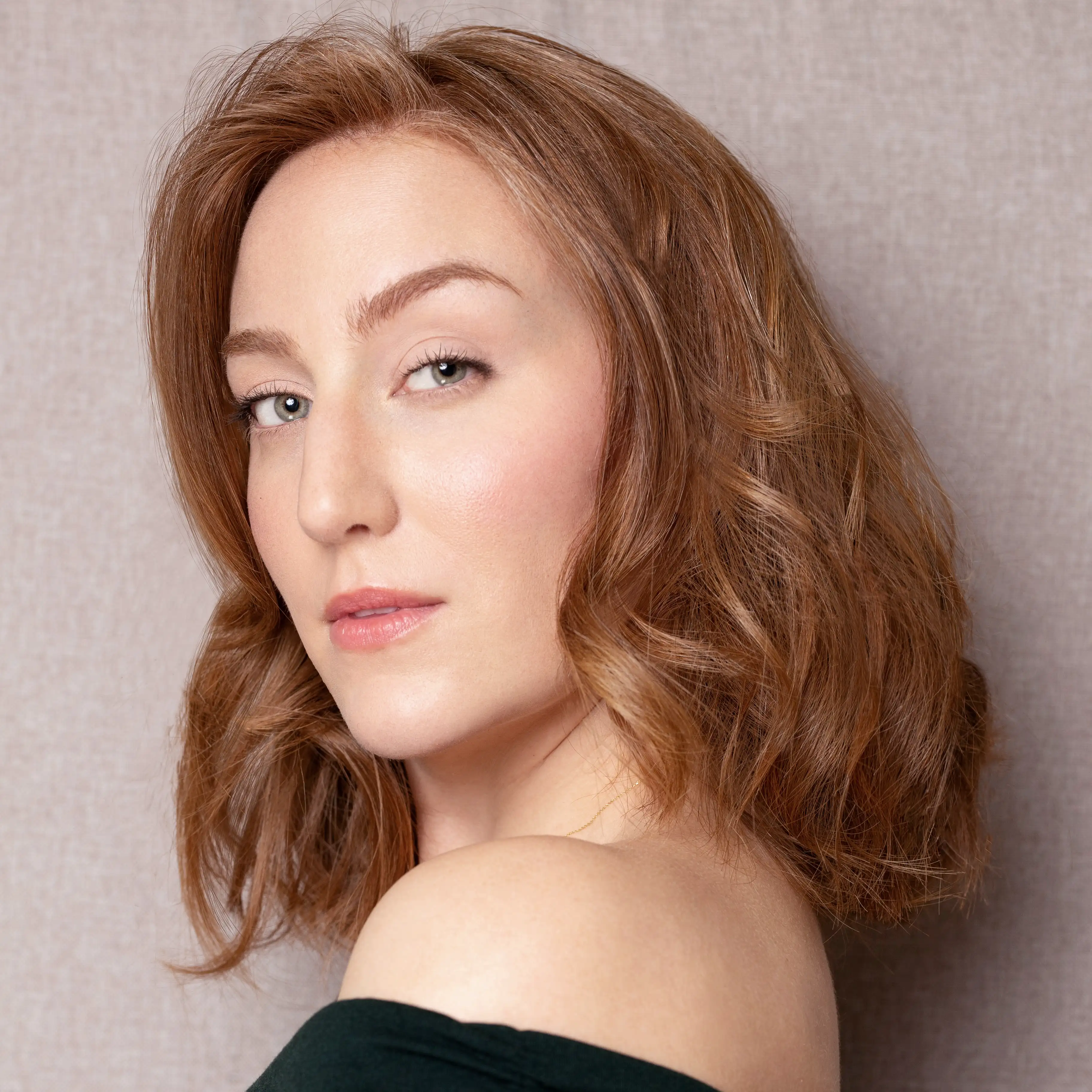
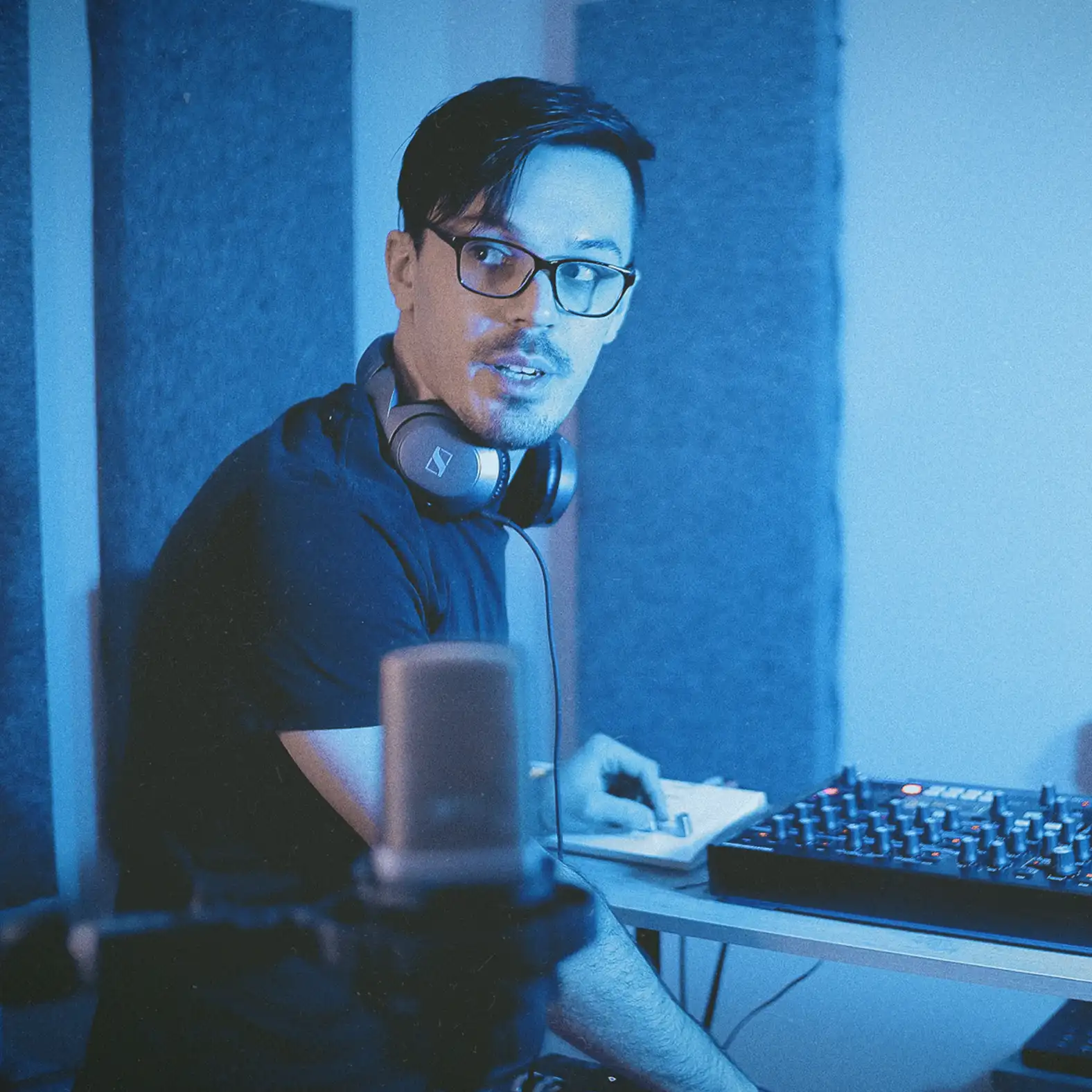
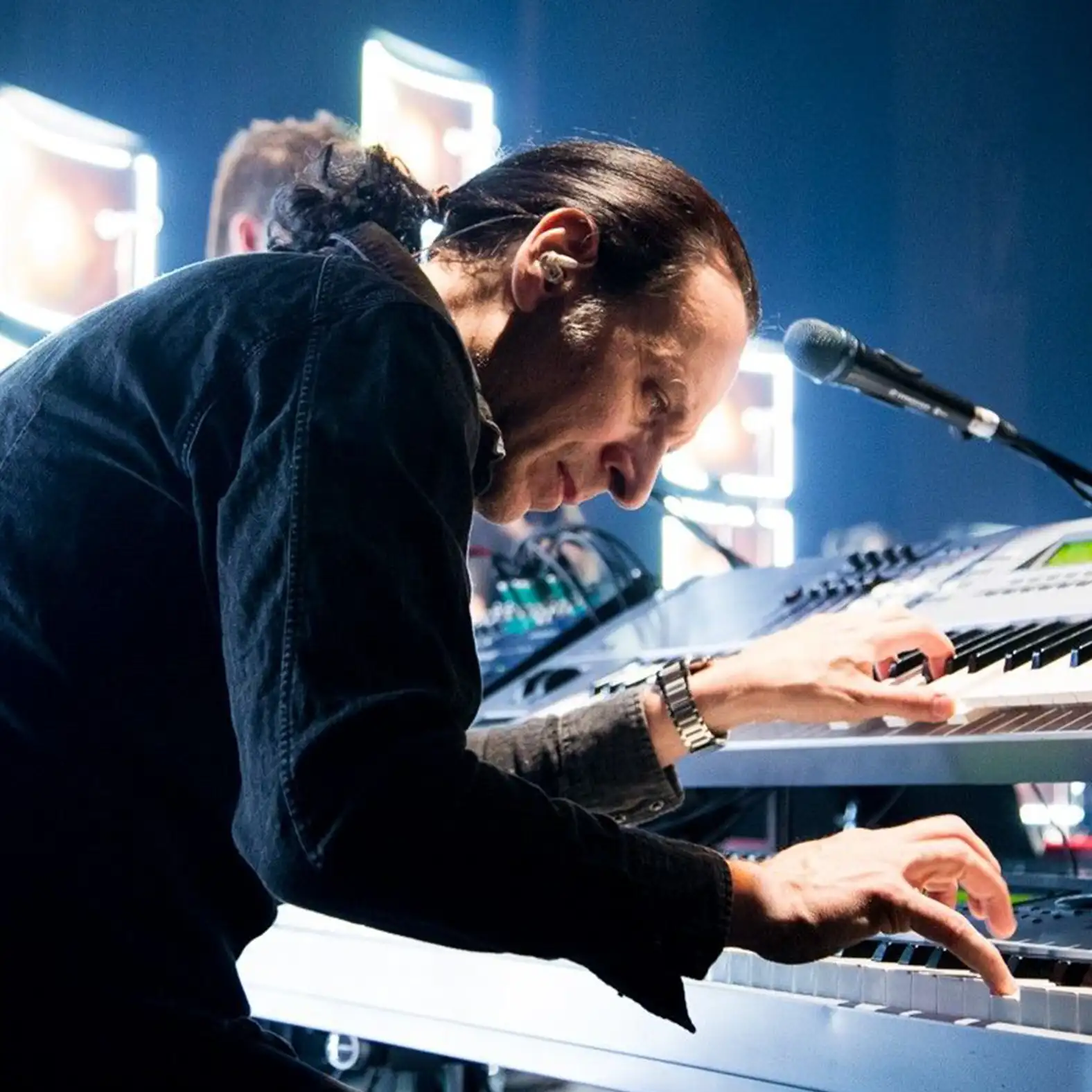
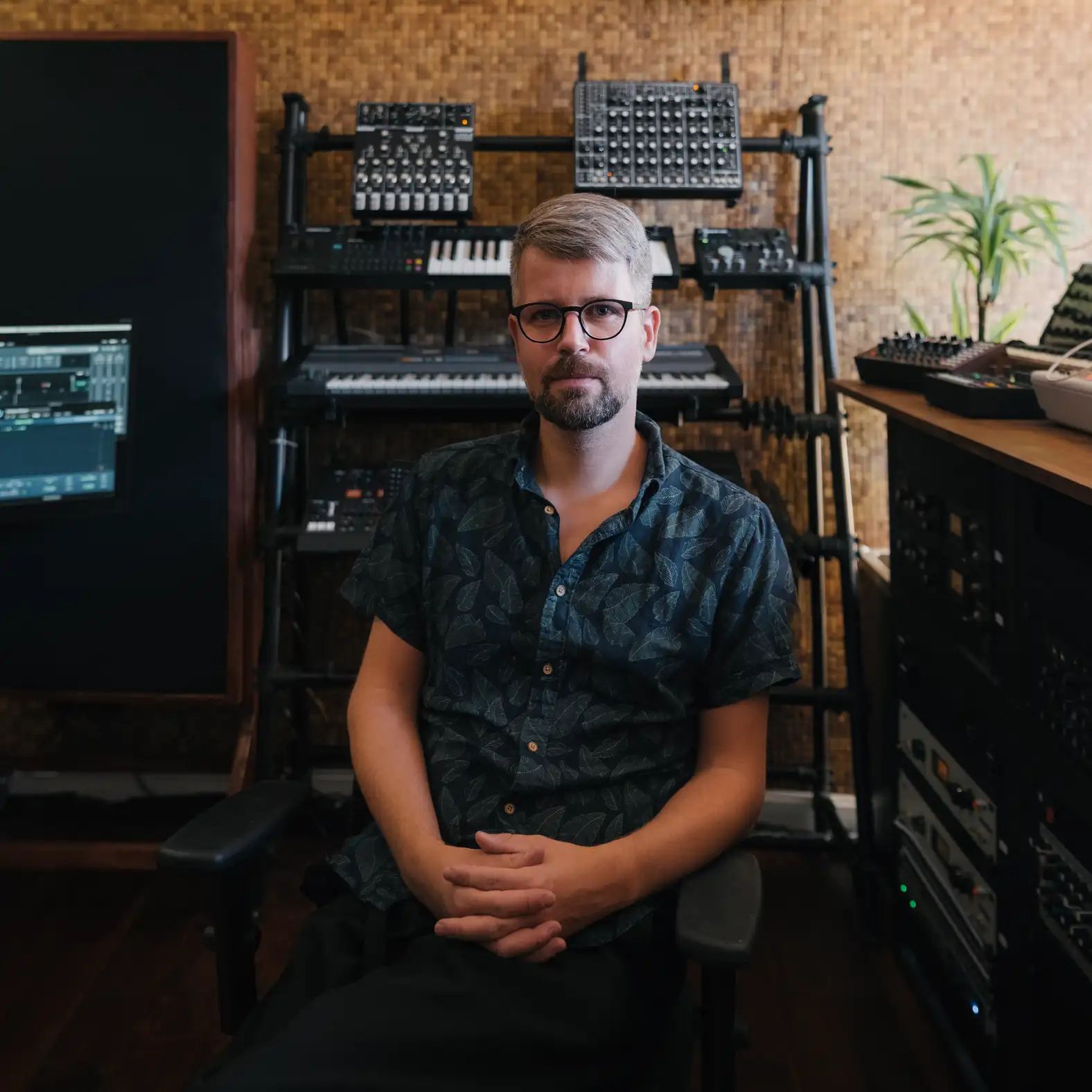
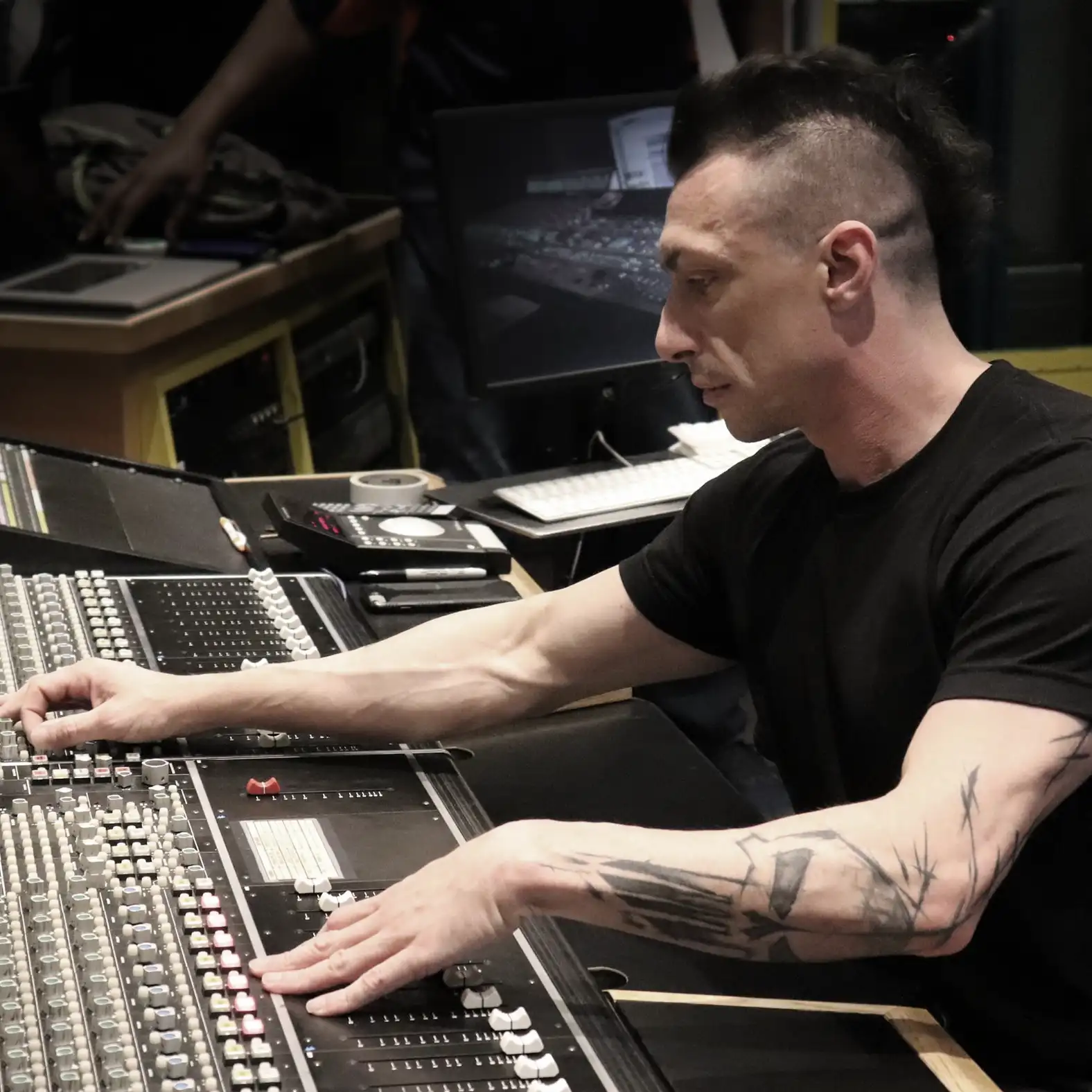
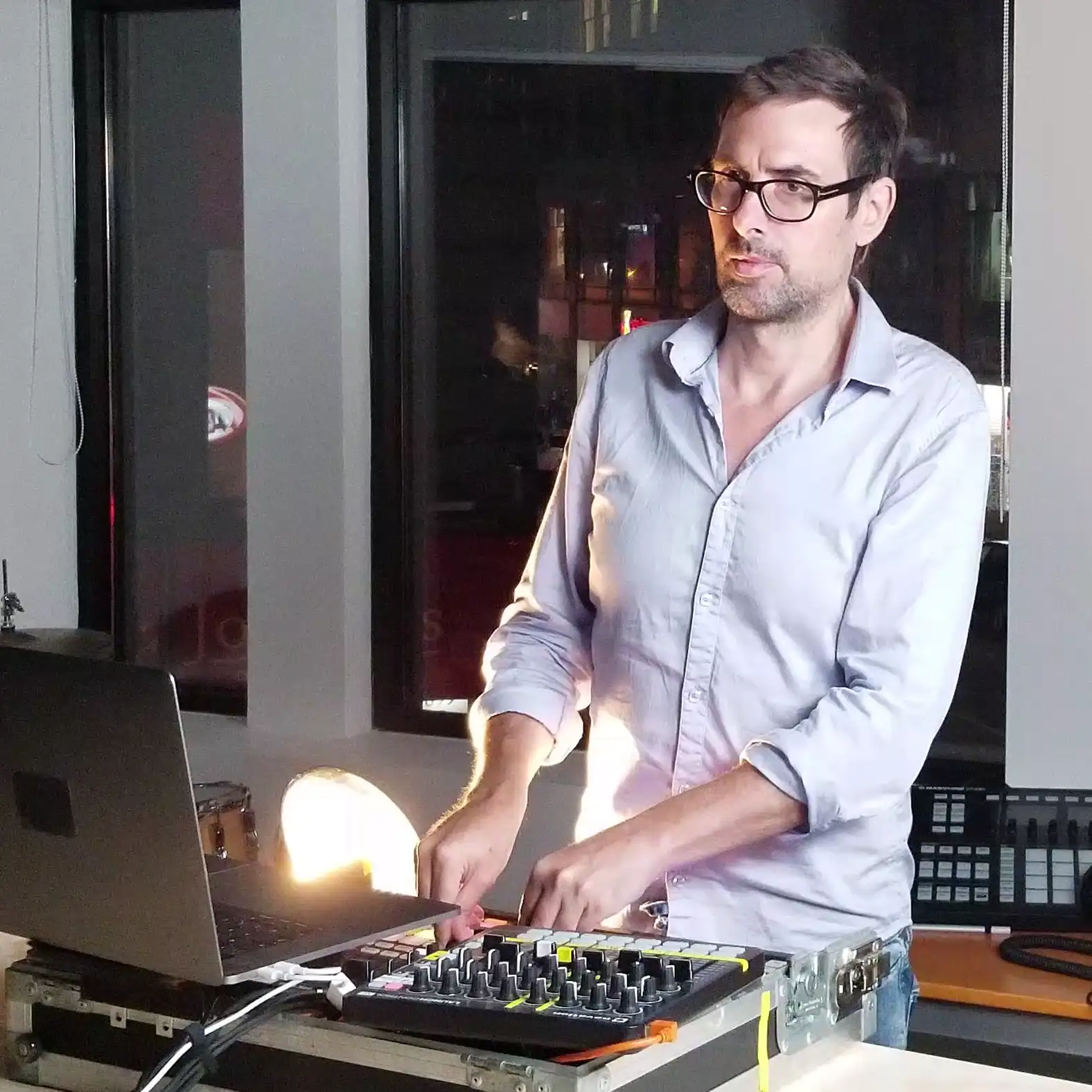
Deadbeat is one Scott Monteith, an adopted Montrealer who has been releasing his own special blend of dub laden, minimal electronic music since 2000, for labels such as Cynosure, Intr_version, Revolver, and Scape. His work has been met with consistent critical acclaim from the industry's leading publications and websites, and drawn performance invitations for some of the world's most respected festivals, including Barcelona's Sonar, Berlin's Transmediale, and Montreal's own Mutek. From 1999 to late 2003, Scott worked with us at Applied Acoustics Systems, assuming various roles. Having now moved on to pursue his own musical efforts full time, the experience has left him with a passion for the development of new creative interfaces, and a strong grasp of some the most cutting edge technology in the industry. Whether crafting quirky, not-quite-dancefloor techno, or rumbling digital dub, Scott continually strives to create music that honours the past beyond empty tribute or cultural appropriation, by infusing the digital tools of the present with a little of the magic known as human imperfection.
Visit Deadbeat's website
A Few Words with Deadbeat
Maybe you could start by telling us a bit about your background, how did you get into making music?
I played bass in a band for a few years as a teenager, but after discovering the rave scene of the mid 90s in Toronto I very quickly became focused on electronic music. I began DJing after a few years, mostly ambient and minimal techno stuff, but didn't start to take it particularly seriously until moving to Montreal in 1996. I made the move here mostly just hoping to reconnect with some old friends and find a some new musical opportunities, as things had really started to die out in Toronto by that point. My mom bought me a computer as a going away present in the hopes that it would help me in my prospective job hunt. I ended up spending most of my time on it mucking around with tracker software and some of the early soft synths, and very little actually writing and sending out job applications. Ultimately music is my job now so in the end everything worked out I guess.
I suppose it's only fair to mention to our dear readers that one of the resumes I did actually manage to send out was to AAS. Certainly the 4 years I spent with you guys was a BIG part of my musical development from a technical perspective. Thinking about Tassman for 40 hours a week was definitely responsible for some serious modular brain reconfiguration, and at the root of some of my stranger creative ideas :)
I've also had the good fortune of being on a parallel creative trajectory with the Mutek festival here in Montreal. I played my first live show at the first festival in 2000 and have since gone on to travel all over the place with them in the years since. I think it's pretty safe to say that had there not been a Mutek, there probably wouldn't be a Deadbeat...
Many of your songs give the impression of short stories. How do they take life - Do you start from inspiring sounds or a structure you want to develop?
I think this is primarily motivated by my experience watching other people perform. I've always most enjoyed watching DJs and musicians who seem to really be striving to give their performances a narrative structure, with varying emotional peaks and valleys. Richie Hawtin is a great example of someone who has really mastered this idea think. His sets have a legendary reputation for covering a vast expanse of musical territory.
In terms of composition of individual songs, things can start a lot of different ways. Often times just playing around with various ambient elements and field recordings leads me to discover an interesting rhythmic groove which I'll then fit the drums and other elements around. I find this tends to result in a more organic rhythmic structures that would have been quite difficult to program out step by step on the grid. Other times, particularly with the latest album, I'll read something in the paper that really gets to me, in which case the studio becomes more of an emotional venting ground.
Working entirely inside the computer means you can attack a new idea quickly and easily from a hundred different angles. While that can certainly feel intimidating at times, ultimately it's a big part of what makes starting a new track so exciting.
The sonic textures you develop are extremely rich and usually fill the whole spectrum from very low to high frequencies. Is this something you concentrate on right from the start of fine tune in the final mix?
I try to keep this in mind right from the start but sometimes I'll discover a sound that is simply to cool not to use, even though it's huge frequency range means it's going to be a real chore to make fit in the mix. Tassman is particularly proficient at creating these kinds of massive sounds. While I was putting together O little town of Bethlehem for the new album, I was playing around with one of my acoustic beam instruments looking for a secondary melodic theme, and this gargantuan sequence just came out of no where that worked perfectly. When I looked at the output meters though things were WAY in the red. As a result I ended up removing a lot of the drum sounds I was using and doing some drastic EQing to make room for it. That process of stripping away things and figuring out what elements are essential to create the virtual space I'm aiming for with a given track is one of the the most frustrating, and conversely one of my favourite things about making music.
You have been using software for a few years now to create your music - How do you see music technology evolve?
It's very exciting to see the importance of interface really coming to the forefront of new product development. The off the shelf computers we have at our disposal are really capable of doing just about anything at this point, you only have to look at things like near realtime convolution, multi-gigabyte sample libraries, and your own physical modeling technology to see proof of this. It's in putting these technologies to work in a studio environment that the real challenges arise though. When I first started experimenting with String Studio, I was immediately struck at how easy it was navigate around the interface and figure out how each element was going to effect the sound. While I won't name any specific names, I think there are quite a few developers who could learn a thing or two about the importance of interface clarity from the likes of AAS and Ableton. An instrument or effect could be capable of the most cutting edge sounds around, but if I can't get a general idea of how things work within a few minutes of launching it, it's probably not going to stay on my hard drive very long.
Which tools do you use to create your music?
Ableton Live is really the center of the studio for me at this point in terms of arrangement. I used to use FLStudio a fair bit just to get new ideas going, but since Live 4's release I find myself using it less and less. I'm still a big fan of Tassman and Reaktor just for the unique sounds they're capable of, but I've limited myself in the last couple of years to devoting a month or so to building new synths before starting a new album or project, and pushing those few synths to there limits. Without imposing this kind of limitation I think it becomes very easy to get lost in the colossal range of instrument building possibilities they're capable of, and not get any actual music done. I also delete all the synths I've built at the end of a project just as a sort of small reminder to myself to keep things fresh. I guess I should probably be putting them in the User Library though :)
Bass is obviously a very important musical element for me, and since I got my hands on Ultra Analog, it's completely taken over in this area. Ultra Analog was responsible for every bass line on the new album. I've recently been coaxing some pretty serious bass out of String Studio as well, so as far as I'm concerned, my quest for the ultimate low end begins and ends with AAS!
In terms of effects, I'm a big fan of Tassman's filters and the tube based reverb. It's got a character you just can't find anywhere else. Sonalksis from the UK is another company I think deserves a lot more attention than they're getting. Their SV-517 EQ is simply amazing...
What is for you the characteristic of AAS products?
Warmth really seems to be the ultimate industry buzz word these days, but I think AAS is one of the few companies that can actually use it to describe the sound of their products without it being empty marketing speak. Whether you're talking about Tassman, Lounge Lizard, Ultra Analog, or String Studio, they all have an organic, distinct character to them. People are very quick to judge the sound of new products these days. They'll open the demo, skim through the presets and decide whether it sucks or not. For me the quality of an instrument really starts to shine once you've listened to a track you made with it 50 or 60 times and the sound still excites you. I've been relying on AAS products for 5 years now and I can confidently say they have without a doubt past that test.
You've been touring the whole of last year with your music. How do the different scenes differ? Would you describe Montreal as your 'port d'attache'?
I've lived in Montreal now longer than I have anywhere else, so it's definitely the place I would call home at this point. In traveling to so many different places in the last couple of years, the thing that has really struck me is not the differences, but the things that are the same. It's really exciting to find a creative common ground with someone you meet on the other side of the world.
Finally, what's coming up next for you?
I've begun working on an Audio/Video project with a local artist named Fred St Hilaire, which we've tentatively titled City of Gold. We've both been living in Montreal for 10 years now and felt a need to look at some of the reasons this city has been such a magnet for people working in the realm of digital arts for the last few years. Jumping into working with video is going to demand a lot of time so I'll be keeping the touring to a minimum for the next few months as a result, but I'll be back on the road with the rest of the Mutek caravan again in the fall.